Explore Nearby Hiawassee and Brasstown Bald
Explore Nearby Hiawassee and Brasstown Bald
By: Menandro Bacalangco Jr. |
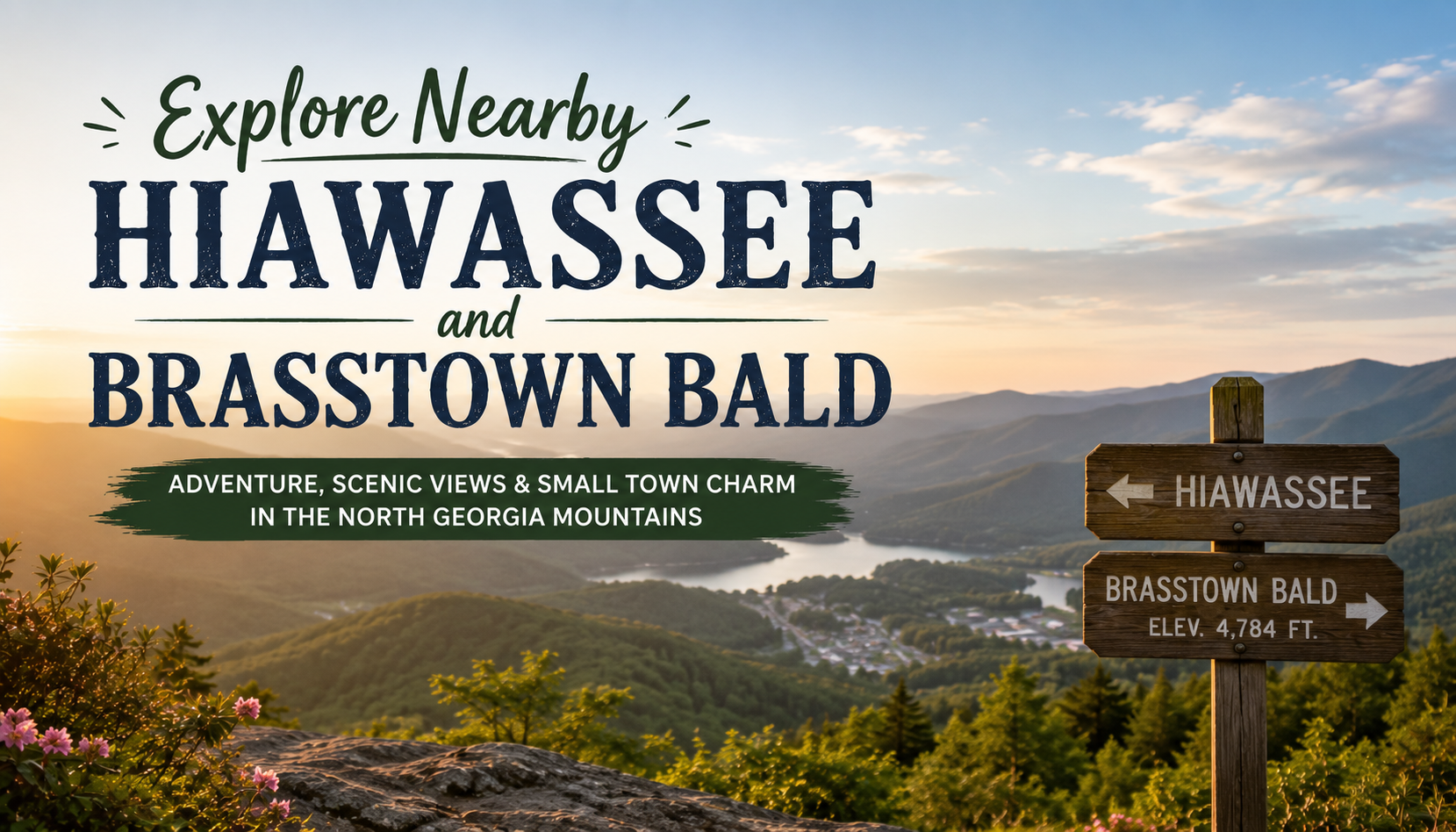
The North Georgia mountains offer a profound convergence of ancient Appalachian tradition and the cutting-edge of modern wellness. Here, the rugged, mist-covered ridges whisper stories of a deep, historical heritage rooted in resilient mountain living, while simultaneously serving as an emerging sanctuary for those seeking restorative physical and mental health.
Whether you are wandering through historic craft towns, immersing yourself in the quiet cadence of a forest bath, or exploring the variety of things to do in Hayesville, NC, the region provides a unique landscape where the timeless charms of rural mountain life meet the restorative demands of today’s wellness-conscious traveler as a key part of the North Georgia mountain experience.
Key Takeaways
Visitors planning a trip to Northern Georgia find a mix of natural splendor and restorative community experiences. Consider these highlights when mapping out your mountain itinerary:
- The regional wellness economy provides diverse opportunities for relaxation and physical recovery.
- Seasonal shifts define the best times for outdoor recreation, whether hiking or boating.
- Local dining in mountain towns emphasize fresh ingredients and regional cultural heritage.
- Accessible infrastructure at major landmarks continues to attract high-end travel interest.
- Strategic travel planning ensures a balance between active adventure and personal well-being.
Scaling Brasstown Bald: Georgia’s highest point
The landscape of the North Georgia mountains offers travelers a unique chance to experience high-altitude scenery and preserved wilderness. When you visit Brasstown Bald, the highest point in Georgia, you reach a remarkable mountain top destination that serves as one of the state's most iconic natural landmarks. Located within the protected national forest, Brasstown provides opportunities for sightseeing, photography, and outdoor recreation throughout the year.
The summit experience and panoramic observatory views
Reaching the summit rewards visitors with sweeping views that extend across multiple states on clear days. The observation platform offers one of the most impressive vantage points in North Georgia, allowing guests to appreciate the scale of the Blue Ridge landscape. Many visitors begin their experience at the Brasstown Bald Visitor Center before making their way to the top, where the beauty of Brasstown becomes fully apparent.
Hiking trails and mountain accessibility options
Multiple paths lead toward the summit, ranging from gentle slopes to more vigorous, elevation-gaining treks. Local infrastructure is designed to accommodate various fitness levels, ensuring that the mountain remains a destination for casual explorers and seasoned hikers alike. Visitors should assess their physical preparation before choosing between the paved access routes and the traditional forest trails.
Timing your visit for sunrise and sunset photography
Photographers favor the golden hours around dawn and dusk for their dramatic lighting effects on the mountain peaks. Capture the way shadow and light interact with the surrounding foliage to create deep, textural compositions for your portfolio. Being mindful of the park’s operational hours is essential for those who wish to document these quiet, ephemeral moments at the top.
Educational exhibits at the visitor center
Deep historical narratives are preserved inside the center, outlining both the geological formation and human utilization of the area. Displays frequently highlight local indigenous heritage and the developmental history of the forests. Walking through these corridors allows for a deeper appreciation of the region’s evolution from an untamed frontier to a managed conservation space.
Refreshing activities on Lake Chatuge
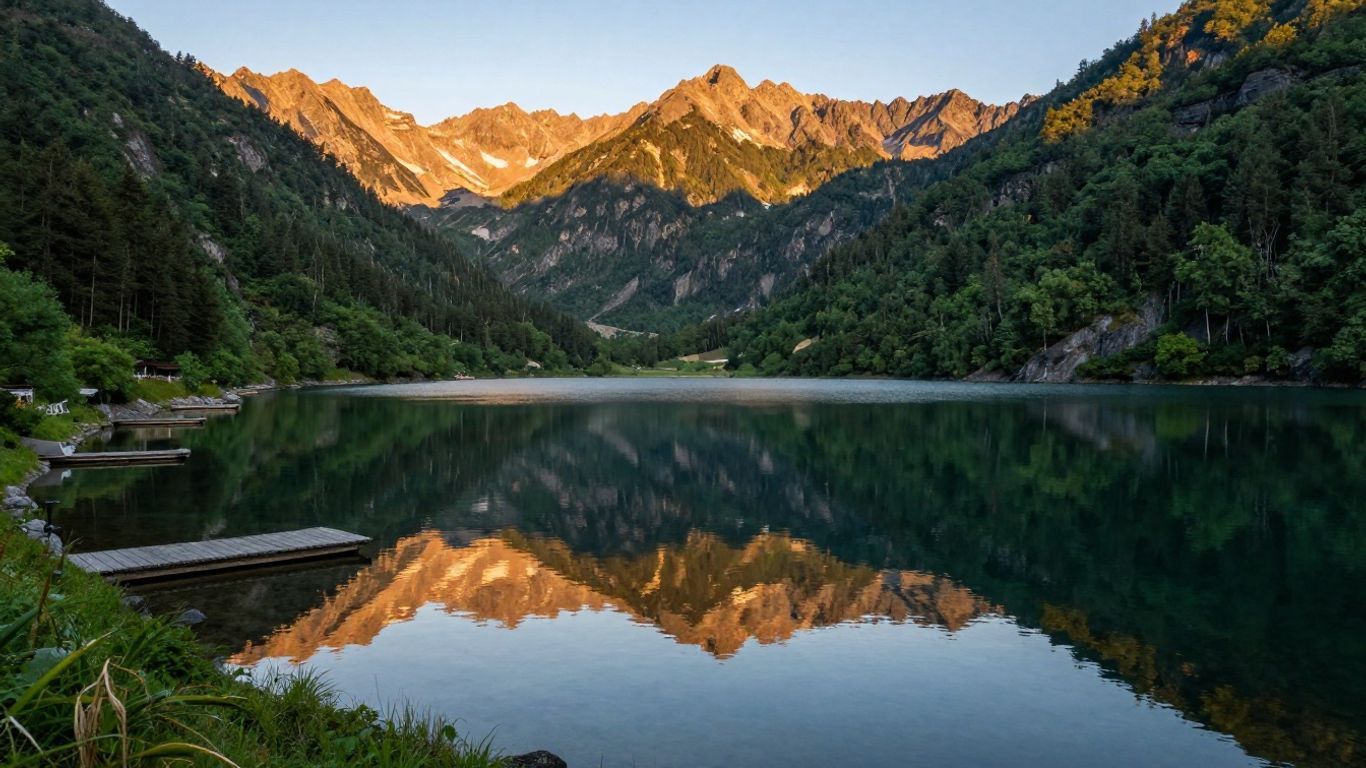
Water-based recreation serves as a vital component of the local tourism economy, complementing the rugged mountains nearby. The expansive surface of the lake allows for diverse activities ranging from quiet reflection to high-intensity aquatic sports. Travelers often report that the interface between the lake’s calm waters and the surrounding peaks creates a soothing aesthetic that encourages longer stays.
Boat rentals and water-based wellness excursions
Navigating the open water is made simple through regional rental providers who offer various vessel types. Some modern wellness-focused operators integrate boat trips with guided recovery sessions as part of broader health-conscious itineraries. This approach blends traditional boating with a focus on silence and restorative time spent away from the shore.
Lakeside hiking and shoreline accessibility
Foot traffic near the water is common, with numerous trails weaving through the riparian zones. Walking the shoreline provides access to hidden coves and secluded spots that are less frequented by large crowds. These paths allow for consistent physical activity while keeping the water in constant view, which many find inherently calming.
Fishing and low-impact recreational boating
Anglers often find the quieter inlets of the lake ideal for tracking local fish species. By utilizing kayaks or canoes, visitors minimize their audible impact on the environment while maximizing their connection to the ecosystem. This low-impact recreation remains a popular activity for those focused on sustainability and quiet observation.
Strategic spots for swimming and relaxation
Selecting the right beach access point depends on your preference for seclusion versus amenity-rich areas. Locals often suggest reaching these spots early in the morning, especially during the warmer summer months. Having a clear plan for your water-side afternoon allows for a more relaxed and interruption-free experience.
Integrating wellness into your mountain getaway
Travelers increasingly define luxury by access to health-oriented amenities and peaceful environments. The integration of restorative practices, such as forest bathing, aligns with global shifts toward prioritizing mental and physical recovery. By focusing on longevity and holistic well-being, the region has become a premier domestic destination for wellness-oriented itineraries.
Nature-based recovery and the benefits of forest bathing
Immersion in the local woodlands allows the nervous system to recalibrate away from daily pressures. The practice of intentional, quiet walking through managed forests is gaining recognized attention for its ability to lower stress markers and enhance mood. This form of recovery is central to many high-end travel plans in Northern Georgia.
Fitness tourism opportunities across the Blue Ridge
Active vacations often incorporate regional terrain into their core programming. From mountain biking to vertical climbs, the landscape provides the necessary scale for significant physical strain and subsequent regeneration. Fitness-focused travel, which remains a fast-growing category, is well-supported here by the availability of varied, high-elevation routes.
Longevity-focused travel experiences in North Georgia
Strategic travel now often includes elements of preventive health, such as optimized sleep environments and nutrient-dense local menus. Hospitality providers are evolving to meet this demand, treating the stay as a platform for maintaining personal healthspan. These shifts in guest expectations require a focus on sustainable, long-term health benefits rather than quick, transient thrills.
Designing a restorative itinerary for mental well-being
Building a plan that weaves quiet mornings with structured activity creates a sustainable rhythm for your trip. By balancing physical effort and restorative rest, guests can ensure their time in the mountains serves as a genuine reset. A well-designed itinerary accounts for both movement and dedicated time for mental decompression in shared or private natural spaces.
Exploring the heart of the Hiawassee community
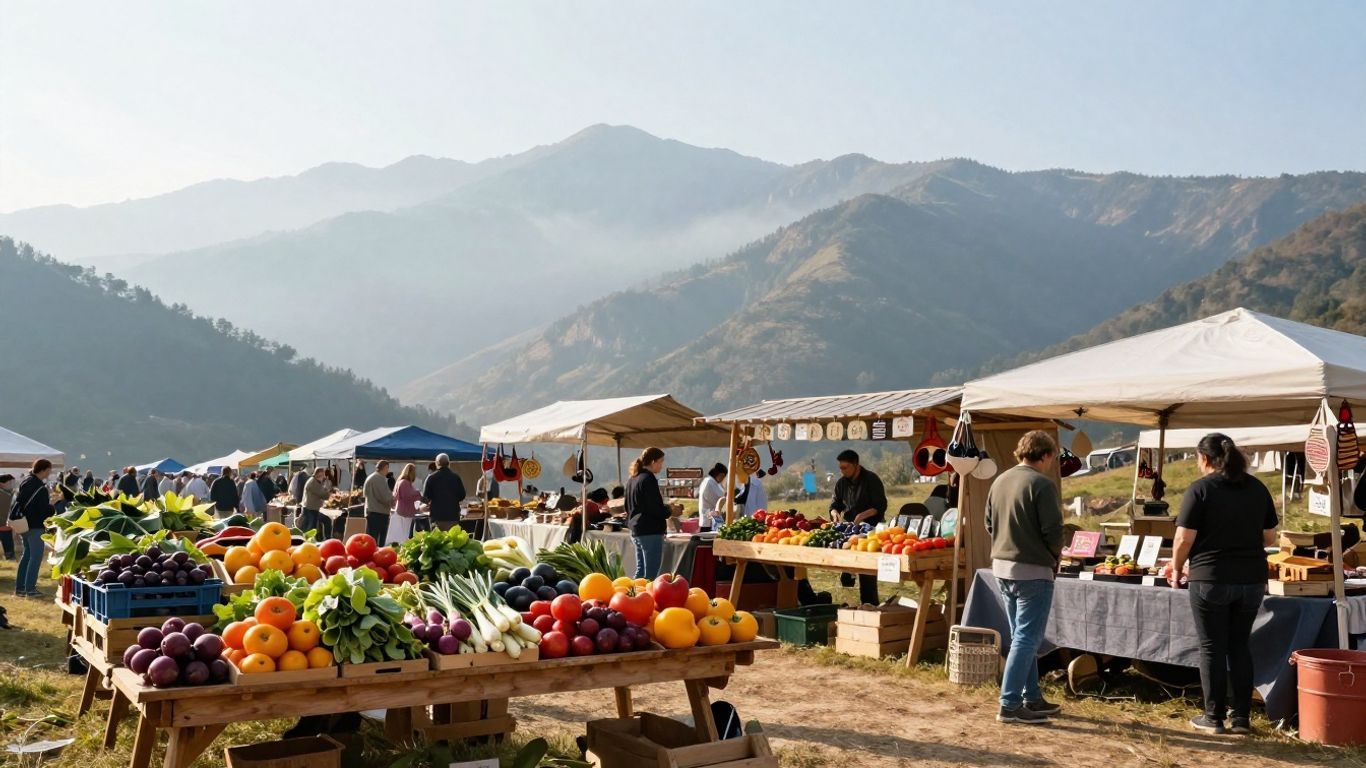
The local town infrastructure acts as a hub for regional culture and supply chains. When visitors follow the Hiawassee, GA guide, they discover more than just basic amenities; they find a network of local providers that define the area’s distinct character. Engaging with these community staples often provides the most lasting memories of a mountain trip.
Local dining and seasonal farm-to-table options
Dining establishments frequently partner with nearby producers to highlight fresh, regional ingredients. The seasonal nature of these menus ensures that travelers experience the most authentic flavors available at the time of their arrival. These culinary experiences are often considered a mandatory part of any high-end trip to the area.
Supporting regional arts and cultural music venues
Cultural life is a defining trait of the local mountain community, with various stages hosting music and artistic displays. Visitors can support these venues by attending recurring performances that feature regional styles and instruments. These cultural touchpoints provide a necessary contrast to the physical exertion of outdoor adventure.
Discovering the local heritage and artisan crafts
Artisans continue to practice traditional techniques that have been passed down for generations within the mountain enclave. Finding pieces at local workshops or stalls offers a direct connection to the aesthetic history of the region. This form of commerce helps maintain the viability of traditional crafts within a modern tourism landscape.
Visiting community markets and independent boutiques
Small-scale shopping gives guests access to local goods that are rarely found in traditional retail chains. Markets here often act as social gathering points where community members and travelers intermingle. Supporting these independent operations is a common goal for conscious travelers looking to enhance the local economy.
Seasonal travel planning for the region
Spring blooms and mountain wildflower trail conditions
Spring arrivals to the mountains are met with rapid climatic changes that bring diverse plant life to the foreground. Hikers should remain aware of potential soil saturation which can impact trail conditions during the early part of the season. Planning for variable spring weather is a foundational aspect of ensuring comfort.
Summer escapes for cooling fitness and aquatic activities
Summer peaks in activity emphasize water-based endurance and mid-altitude cooling hikes. The abundance of forest canopy provides natural insulation against mid-day sun, keeping trails more approachable than they would be in open areas. High-level fitness travelers often use this season to train in the heat-resilient mountain air.
Peak foliage viewing and autumn hiking adventures
Autumn is widely considered the peak season for aesthetic-focused travel to the region. The following table highlights typical activity expectations across the fall months.
| Month | Expected Foliage Tier | Primary Activity |
|---|---|---|
| September | Early Change | Mid-elevation hiking |
| October | Peak Intensity | Scenic photography |
| November | Late Color | Valley forest trails |
Autumn is widely considered the peak season for aesthetic-focused travel to the region. The following table highlights typical activity expectations across the fall months.Planning for these months requires advance reservation bookings as local hospitality fills rapidly. The shifting landscape serves as an ideal backdrop for active excursions.
Winter tranquility and planning for quiet mountain retreats
Winter shifts the region toward a period of extreme quiet and focused restorative wellness. Travelers who visit now often find:
- Lower crowds at peak recreation sites.
- Clearer, long-distance mountain visibility.
- Reduced rates for high-end accommodation options.
- Increased focus on fireside and indoor wellness amenities.
This stillness represents a unique, often overlooked opportunity for those prioritizing mental space and reflection, away from the typical bustling tourist cycle.
Practical logistics for visiting Northern Georgia
Choosing the right base for your mountain stay
A central location dictates the ease with which you can access regional hiking opportunities and water sites. Determining whether you prefer proximity to town centers or isolated mountain retreats is the first step in logistical planning. Most high-end travelers opt for a balance, staying near main transit lines for convenience while seeking quiet in their lodging.
Navigating regional roads and terrain conditions
Roadways through the Blue Ridge can be winding and steep, requiring careful operation during all driving conditions. Travelers from flat-land environments often find the vertical shift striking, so factoring in extra transit time is standard procedure. Being prepared for slow-moving traffic on mountain passes helps mitigate stress while transiting between destinations.
Sustainable travel practices for protecting wild spaces
Respecting the natural environment is essential for the longevity of the region's attractions. Adhering to leave-no-trace principles ensures that sensitive ecosystems remain healthy for subsequent visitors to enjoy. Small actions like packing out waste and staying on marked trails have a measurable positive impact on long-term ecological outcomes.
Essential gear for mountain peak and lake excursions
Equipping oneself with versatile, durable gear is fundamental to navigating the diverse mountain and water environments. Consider bringing layers for temperature fluctuation, high-quality footwear for uneven ground, and waterproof storage for aquatic gear. Having the correct technical supplies enhances both safety and overall enjoyment during extended outings.
Conclusion
A successful trip to the North Georgia mountains relies on balancing active exploration with deliberate, restorative pauses. By engaging with the local Hiawassee community, exploring the high peaks, and timing activities to match seasonal shifts, visitors construct a deeply personal and physically rewarding experience.
With consistent attention to sustainable practices and careful, logistics-conscious planning, this region remains a premier destination for those seeking a sophisticated blend of adventure and wellness. For a truly peaceful base during your stay, we highly recommend the Deerfield Inn - Lakeside Hotel in Hayesville, NC, which offers comfort and proximity to the region's best natural attractions.
Frequently Asked Questions
What is the best time of year to visit the Hiawassee region?
Autumn offers the most dramatic foliage displays, while summer provides ideal conditions for water-based activities. Late spring is generally preferred by those who wish to avoid peak crowding while still enjoying mild hiking weather.
Can I access high-elevation peaks without significant long-distance hiking experience?
Yes, several locations offer accessible routes or transport services that allow you to reach summit areas without requiring professional-grade physical endurance. Always verify current operating procedures and facility availability before planning your itinerary.
Are there options for fine dining in the mountain area?
Several upscale establishments are scattered within the valley that focus on seasonal, farm-to-table menus. Reservations are highly recommended, especially during the peak autumn leaf-viewing season.
How should I prepare for driving on regional mountain roads?
Practice patience when navigating narrow, winding passes and allow extra time for your transit between destinations. Always monitor weather forecasts in advance, as conditions at higher elevations can shift rapidly throughout the day.
Is it possible to find quiet retreats for mental wellness?
Many luxury lodges and independent rentals specialize in providing secluded environments for those seeking restoration. Planning your stay outside of major holiday weekends is one of the most effective strategies for ensuring peace and quiet.
What do sustainable travel practices involve in this area?
Sustainability involves strictly adhering to marked trails, properly disposing of all waste, and choosing service providers that prioritize environmental conservation. Protecting the local landscape helps ensure the region remains a viable destination for future generations.
Is the local water safe for swimming and active recreation?
Lake Chatuge is a popular destination for aquatic recreation, including swimming and non-motorized boating. Visitors should always observe posted safety notices and local guidelines before entering the water, as conditions can change based on recent rainfall and seasonal management.