
Waterfalls in the Blue Ridge Mountains to Explore
Best Waterfalls in the Blue Ridge Mountains to Explore
By: Menandro Bacalangco Jr. | August 15, 2026

Explore the Best Waterfalls in the Blue Ridge Mountains
The Blue Ridge Mountains are home to hundreds of waterfalls, from dramatic plunges and towering cascades to roadside falls that require little or no hiking to see. Western North Carolina is especially rich in waterfall destinations, with popular options scattered across the Blue Ridge Parkway, Pisgah National Forest, and surrounding mountain communities.
For travelers planning a mountain getaway, waterfalls can also be combined with scenic drives, hiking trails, overlooks, picnic areas, and other outdoor attractions. The Blue Ridge Parkway alone includes numerous waterfall hikes and viewpoints, including Linville Falls, Crabtree Falls, and several waterfalls around Pisgah National Forest.
If you're looking for the best waterfalls in the Blue Ridge Mountains, these destinations are worth adding to your itinerary.
1. Whitewater Falls
Whitewater Falls is one of the most impressive waterfalls in the Blue Ridge Mountains and one of the standout waterfall destinations in western North Carolina. Upper Whitewater Falls drops approximately 411 feet, creating an especially dramatic view surrounded by dense mountain forest.
The waterfall is a good choice for visitors who want to experience a major Blue Ridge waterfall without committing to a long backcountry hike. The surrounding area also provides opportunities to enjoy the scenery of the southern Blue Ridge Mountains.
Why visit Whitewater Falls:
- One of the tallest waterfalls in the eastern United States
- Impressive mountain scenery
- Excellent destination for waterfall photography
- A good option for a scenic waterfall stop
Its combination of dramatic height and mountain scenery makes Whitewater Falls a standout destination for a Blue Ridge Mountains waterfall trip.
2. Linville Falls
Linville Falls is one of the most recognizable waterfalls along the Blue Ridge Parkway. Located at Milepost 316, the falls flow through the spectacular Linville Gorge, where the river continues its descent through a rugged mountain landscape.
Visitors can experience the waterfall from several viewpoints, while trails provide different perspectives of the upper and lower falls. The National Park Service currently lists some trail closures in the area because of storm impacts, so visitors should check conditions before traveling.
What makes Linville Falls special:
- Located along the Blue Ridge Parkway
- Multiple waterfall viewpoints
- Dramatic Linville Gorge scenery
- Beautiful spring and fall scenery
- Hiking options for different experience levels
With its combination of waterfalls, overlooks, and gorge scenery, Linville Falls is one of the best places to experience the natural character of the Blue Ridge Mountains.
3. Looking Glass Falls
Looking Glass Falls is one of the best waterfalls for travelers who want spectacular scenery without a strenuous hike.
Located in Pisgah National Forest on U.S. 276, the approximately 60-foot waterfall can be viewed from the road and a nearby paved walkway.
The National Park Service notes that no hiking is necessary to see the waterfall, although visitors can take a short walk to a closer viewing platform. Because the area can become busy, visitors should use designated parking areas and take care around slippery rocks.
Why it's worth a stop:
- Roadside access
- No long hike required
- Short walk to a closer viewpoint
- Approximately 60-foot cascade
- Convenient for a Pisgah National Forest road trip
Its easy access makes Looking Glass Falls one of the best choices for visitors searching for waterfalls you can visit without hiking.
4. Crabtree Falls
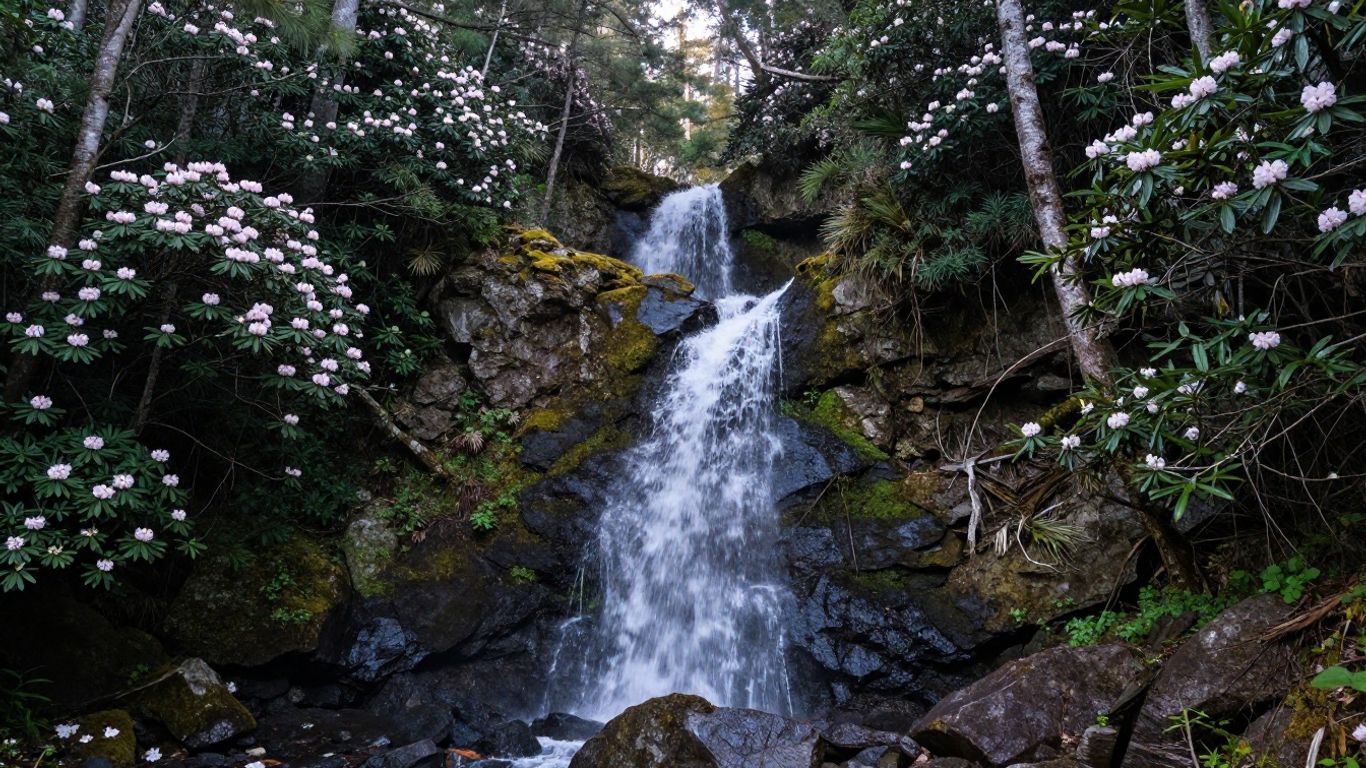
Crabtree Falls is one of the signature waterfalls along the Blue Ridge Parkway. Located around Milepost 339, the waterfall cascades over a roughly 60-foot rock cliff in a forested setting filled with ferns and wildflowers.
The National Park Service describes Crabtree Falls as the tallest single waterfall along the Blue Ridge Parkway. The traditional route is a 2.5-mile loop leading to the falls, making this a better choice for travelers looking specifically for a waterfall hike.
Highlights include:
- Located along the Blue Ridge Parkway
- Approximately 60-foot waterfall
- Forested hiking environment
- Ferns and wildflowers
- A popular waterfall hike
The scenic trail and peaceful forest surroundings make Crabtree Falls a rewarding stop for hikers exploring the Blue Ridge Parkway.
5. Hickory Nut Falls
Hickory Nut Falls is located inside Chimney Rock State Park and offers one of the more dramatic waterfall experiences in western North Carolina. Water drops from the mountain above a forested landscape, creating a scenic destination that can easily be combined with other Chimney Rock attractions.
For visitors planning a day of sightseeing, the waterfall provides an opportunity to add a natural attraction to a larger mountain itinerary.
Reasons to visit Hickory Nut Falls:
- Dramatic mountain waterfall
- Located within Chimney Rock State Park
- Forested surroundings
- Can be combined with other park attractions
- Good option for a full day of sightseeing
For travelers exploring Chimney Rock and the surrounding mountains, Hickory Nut Falls adds another memorable natural attraction to the itinerary.
6. High Falls at DuPont State Forest
DuPont State Forest is particularly appealing to waterfall lovers because several major waterfalls can be explored within the same destination. High Falls is one of the area's signature attractions, while Triple Falls, Bridal Veil Falls, and Hooker Falls provide additional options.
Rather than planning an entire outing around a single waterfall, visitors can make DuPont State Forest part of a larger waterfall road trip.
A DuPont waterfall adventure can include:
- High Falls
- Triple Falls
- Bridal Veil Falls
- Hooker Falls
- Hiking and scenic forest trails
With multiple waterfalls in one area, DuPont State Forest is an excellent choice for travelers who want to turn a single outing into a full day of waterfall exploration.
7. Mingo Falls
Mingo Falls is located near Cherokee in western North Carolina and is known for its dramatic drop and beautiful mountain setting. The waterfall is surrounded by the forests of the Qualla Boundary and provides an impressive natural attraction for visitors exploring the Cherokee area.
The relatively short approach makes Mingo Falls appealing to travelers who want a memorable waterfall experience without spending several hours on a trail.
Why add Mingo Falls to your trip:
- Dramatic waterfall
- Short approach
- Scenic mountain surroundings
- Near Cherokee
- Good addition to a western North Carolina itinerary
Its combination of accessibility and scenery makes Mingo Falls a worthwhile stop for anyone exploring the southern Blue Ridge Mountains.
8. Long Creek Falls
Long Creek Falls offers a quieter waterfall experience in the Blue Ridge Mountains of Georgia. The waterfall features multiple sections surrounded by a forested landscape and can be reached by hiking trails in the area.
Unlike roadside waterfalls, Long Creek Falls is better suited to travelers who want to make the hike itself part of the adventure.
What to expect:
- Forested mountain setting
- Cascading waterfall
- Hiking opportunity
- Peaceful outdoor environment
- Convenient for a Blue Ridge, Georgia adventure
Long Creek Falls is a good choice for travelers who want to combine a manageable hike with the scenery of the southern Blue Ridge Mountains.
9. Amicalola Falls
Amicalola Falls is one of the most spectacular waterfalls in the southern Blue Ridge region. Located in northern Georgia, it is known for its dramatic height and extensive mountain scenery.
The surrounding state park provides several ways to experience the waterfall, making it suitable for visitors who want either a scenic stop or a more active outdoor adventure.
Highlights of Amicalola Falls:
- Dramatic waterfall height
- Mountain and forest scenery
- Multiple viewing opportunities
- State park setting
- Good destination for a full-day outing
Its impressive scale makes Amicalola Falls one of the most memorable waterfall destinations in the southern Blue Ridge Mountains.
10. Anna Ruby Falls
Anna Ruby Falls offers a different waterfall experience because two streams come together to create twin waterfalls. A paved trail leads from the visitor center toward viewing areas, making it an appealing choice for travelers who prefer an easier waterfall walk.
The combination of twin cascades, forest scenery, and relatively easy access makes it especially attractive for families and visitors who do not want a demanding hike.
Why visit Anna Ruby Falls:
- Twin waterfalls
- Paved walking route
- Short approach
- Forest scenery
- Family-friendly sightseeing option
The easy access and twin cascades make Anna Ruby Falls a scenic addition to a Blue Ridge Mountains itinerary.
11. Fall Branch Falls
Fall Branch Falls is another waterfall worth considering near Blue Ridge, Georgia. The waterfall is surrounded by forest and can be reached along a hiking route, giving visitors a more traditional mountain waterfall experience.
The relatively peaceful setting makes it a good alternative for travelers who want to spend time outdoors away from the busiest roadside attractions.
Reasons to explore Fall Branch Falls:
- Forested hiking environment
- Cascading waterfall
- Scenic mountain surroundings
- Good option for hikers
- Convenient for a Blue Ridge, Georgia trip
For a quieter outdoor experience, Fall Branch Falls offers a rewarding hike through the forest to a scenic mountain cascade.
12. Dry Falls
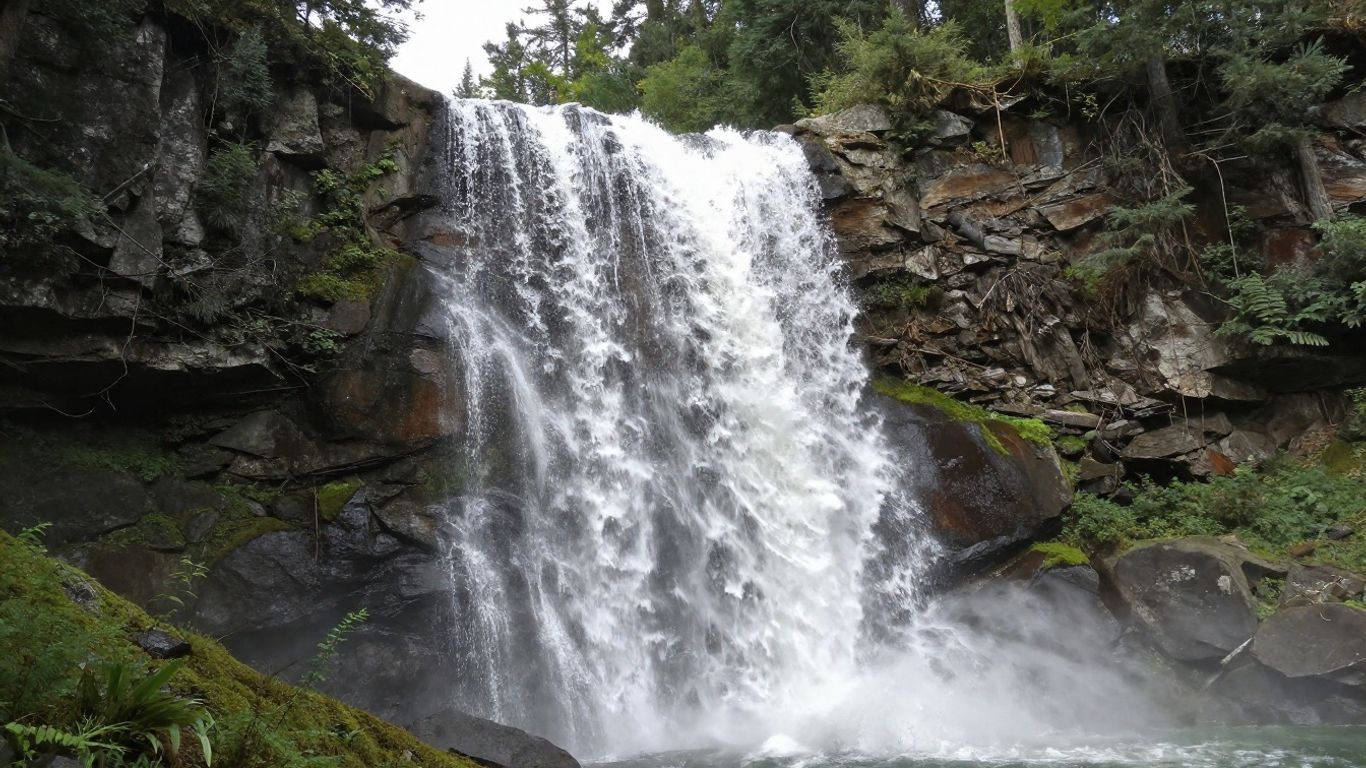
Dry Falls near Highlands, North Carolina, is one of the most distinctive waterfalls in the region because visitors can walk behind the falling water. The waterfall creates a curtain-like cascade over the rock ledge, allowing visitors to experience the falls from an unusual perspective.
Its accessible viewing area also makes Dry Falls a good option for travelers who want a memorable waterfall without a strenuous hike.
What makes Dry Falls unique:
- Walk-behind waterfall experience
- Scenic mountain setting
- Accessible viewing area
- Short walk
- Excellent photography opportunity
The ability to walk behind the waterfall makes Dry Falls one of the most unique waterfall experiences in the Blue Ridge Mountains.
Best Blue Ridge Waterfalls for Different Types of Travelers
The best waterfall for you depends on how much hiking you want to do and what type of experience you're looking for. Some waterfalls can be seen from roadside viewpoints, while others require a moderate or strenuous trail.
| Waterfall | Location | Best For | Access | Approx. Height |
|---|---|---|---|---|
| Whitewater Falls | North Carolina | Big views | Short walk/viewpoint | 411 ft |
| Linville Falls | North Carolina | Scenic overlooks | Moderate to strenuous trails | — |
| Looking Glass Falls | North Carolina | Easy sightseeing | Roadside + short walk | 60 ft |
| Crabtree Falls | North Carolina | Waterfall hiking | 2.5-mile loop | 60 ft |
| Hickory Nut Falls | North Carolina | Park sightseeing | Trail access | — |
| High Falls | North Carolina | Multiple waterfalls | Hiking trails | — |
| Mingo Falls | North Carolina | Easy waterfall adventure | Short approach | — |
| Long Creek Falls | Georgia | Hiking | Forest trail | — |
| Amicalola Falls | Georgia | Dramatic scenery | Multiple routes | — |
| Anna Ruby Falls | Georgia | Families | Paved trail | — |
| Dry Falls | North Carolina | Unique experience | Short walkway | 75 ft |
This variety makes it easy to build a waterfall itinerary around your preferred hiking difficulty, travel time, and sightseeing style.
Best Waterfalls Along the Blue Ridge Parkway
The Blue Ridge Parkway is one of the best places to look for waterfalls in western North Carolina. The National Park Service identifies several waterfall hikes and viewpoints along the Parkway, including Linville Falls, Crabtree Falls, Glassmine Falls, Graveyard Fields, and other waterfall destinations.
Some of the best-known options include:
- Linville Falls at Milepost 316
- Crabtree Falls around Milepost 339
- Glassmine Falls around Milepost 361
- Graveyard Fields around Milepost 418
- Looking Glass Falls, located about nine miles from the Parkway along U.S. 276
Because Parkway conditions and trail access can change, check current road and trail conditions before setting out. The National Park Service maintains current road-status information for the Parkway.
The Parkway's combination of waterfalls, mountain overlooks, scenic drives, and hiking trails makes it ideal for travelers who want to turn waterfall sightseeing into a larger road trip.
Waterfalls Near Hayesville, NC
Hayesville is located in western North Carolina, making it a convenient base for exploring the natural attractions of the southern Blue Ridge Mountains. Rather than limiting your trip to one waterfall, you can use Hayesville as a starting point for exploring mountain roads, forests, lakes, hiking trails, and waterfalls throughout the region.
When planning a waterfall trip from Hayesville, consider grouping destinations by geographic area instead of trying to visit every waterfall in one day.
A Blue Ridge waterfall itinerary can include:
- A nearby waterfall or scenic trail in the morning
- A mountain drive through western North Carolina
- A picnic or lunch stop along the route
- Additional waterfalls or viewpoints in the afternoon
- A return to Hayesville for a relaxing evening
This approach gives you more time to enjoy the scenery instead of spending the entire day driving between distant waterfalls.
Plan a Blue Ridge Mountains Waterfall Road Trip
A waterfall road trip can be one of the best ways to experience the Blue Ridge Mountains. Instead of treating each waterfall as an isolated attraction, build a route that combines waterfalls with scenic overlooks, hiking trails, mountain communities, and other outdoor destinations.
The Blue Ridge Parkway is particularly well suited to this type of trip because its 469-mile route provides access to numerous trails, overlooks, picnic areas, and natural attractions.
When planning your route:
- Choose waterfalls in the same general area.
- Check current road and trail conditions.
- Allow extra time for scenic stops.
- Consider hiking difficulty before choosing your route.
- Visit popular waterfalls early when possible.
- Leave time for overlooks and other mountain attractions.
- Avoid trying to fit too many distant waterfalls into one day.
A well-planned route can turn a simple waterfall visit into a memorable Blue Ridge Mountains adventure.
Best Time to Visit Blue Ridge Waterfalls
Waterfalls are worth visiting throughout the year, but their appearance changes with rainfall and the seasons.
Spring can bring stronger water flow and fresh greenery, while summer offers lush forests and cool mountain surroundings. Fall is particularly scenic because colorful foliage can surround waterfalls and mountain streams.
Rainfall also plays an important role. A waterfall may have significantly more water after recent rain, although wet conditions can make rocks, trails, and riverbanks more hazardous.
For the best experience, check weather, road conditions, and trail status before leaving. This is especially important along the Blue Ridge Parkway, where conditions can change with elevation and season.
Best Blue Ridge Waterfalls for Easy Access
Not everyone visiting the mountains wants to spend hours hiking. Fortunately, several Blue Ridge waterfalls can be enjoyed with little walking.
Looking Glass Falls is one of the clearest examples. The National Park Service notes that the waterfall is visible from the road and can be viewed from a paved walkway.
Other waterfalls with relatively accessible viewing opportunities include:
- Looking Glass Falls
- Dry Falls
- Anna Ruby Falls
- Mingo Falls
- Whitewater Falls
Even at easily accessible waterfalls, visitors should remain aware of slippery rocks, steep terrain, and changing water conditions.
Waterfall Safety in the Blue Ridge Mountains
Waterfalls can be beautiful but dangerous. Wet rocks, strong currents, steep drop-offs, and slippery riverbanks can create serious hazards.
The National Park Service specifically warns visitors not to climb on rocks around waterfalls and to use extreme caution near riverbanks. It also warns that the top of a waterfall is dangerous and advises visitors never to play in the stream above a waterfall.
Keep these safety practices in mind:
- Stay on designated trails.
- Use marked viewing areas.
- Never climb on or above a waterfall.
- Stay away from slippery edges.
- Do not stand in fast-moving water.
- Keep children close to you around streams and overlooks.
- Wear appropriate footwear for hiking trails.
- Check weather and trail conditions before visiting.
- Follow current park and forest regulations.
Following these precautions can help you enjoy the scenery while keeping your waterfall adventure safe and enjoyable.
Final Thoughts
The best waterfalls in the Blue Ridge Mountains offer far more than beautiful cascades. They provide opportunities for hiking, photography, scenic driving, family outings, and peaceful time in the mountains.
From the dramatic Linville Falls and Whitewater Falls to accessible destinations such as Looking Glass Falls and Dry Falls, there are options for nearly every type of traveler. Western North Carolina is especially well suited to waterfall adventures, with the Blue Ridge Parkway and surrounding mountain forests providing countless opportunities to explore.
For visitors staying in Hayesville, NC, a waterfall adventure can easily become part of a larger mountain getaway filled with scenic drives, outdoor recreation, lake activities, hiking, and other things to do in Hayesville.
After exploring the waterfalls and mountain roads, return to
Deerfield Inn for a comfortable stay and a relaxing base for your next day of exploring western North Carolina.
Frequently Asked Questions
What is the prettiest waterfall in the Blue Ridge Mountains?
There is no single answer because beauty depends on what type of experience you prefer. Linville Falls is known for its dramatic gorge setting, Looking Glass Falls is popular for its easy access, and Dry Falls stands out because visitors can walk behind the cascade.
What is the tallest waterfall in the Blue Ridge Mountains?
The region contains several exceptionally tall waterfalls. Whitewater Falls is one of the most notable in western North Carolina, while Amicalola Falls is a major waterfall destination in northern Georgia.
What waterfalls are near Hayesville, NC?
Hayesville is within reach of numerous waterfall destinations throughout western North Carolina and the southern Blue Ridge Mountains. The best choice depends on how far you're willing to drive and whether you prefer an easy viewpoint or a hiking experience.
What are the best waterfalls along the Blue Ridge Parkway?
Linville Falls and Crabtree Falls are among the best-known waterfall destinations directly associated with the Blue Ridge Parkway. Graveyard Fields also provides access to multiple waterfalls near Milepost 419.
Are there waterfalls in the Blue Ridge Mountains that don't require hiking?
Yes. Looking Glass Falls is one of the best examples. It can be viewed from the road and accessed by a short paved walkway.
What is the best time of year to see Blue Ridge waterfalls?
Spring and the periods following rainfall can provide strong water flow, while fall offers colorful foliage around many mountain waterfalls. Always check local conditions before visiting.
Can you swim at Blue Ridge Mountain waterfalls?
Swimming rules vary by location, and visitors should never assume that a waterfall is safe for swimming. Along the Blue Ridge Parkway, the National Park Service states that swimming in Parkway waters is illegal.