Experience the John C. Campbell Folk School
Experience the John C. Campbell Folk School
By: Menandro Bacalangco Jr. | June 26, 2026
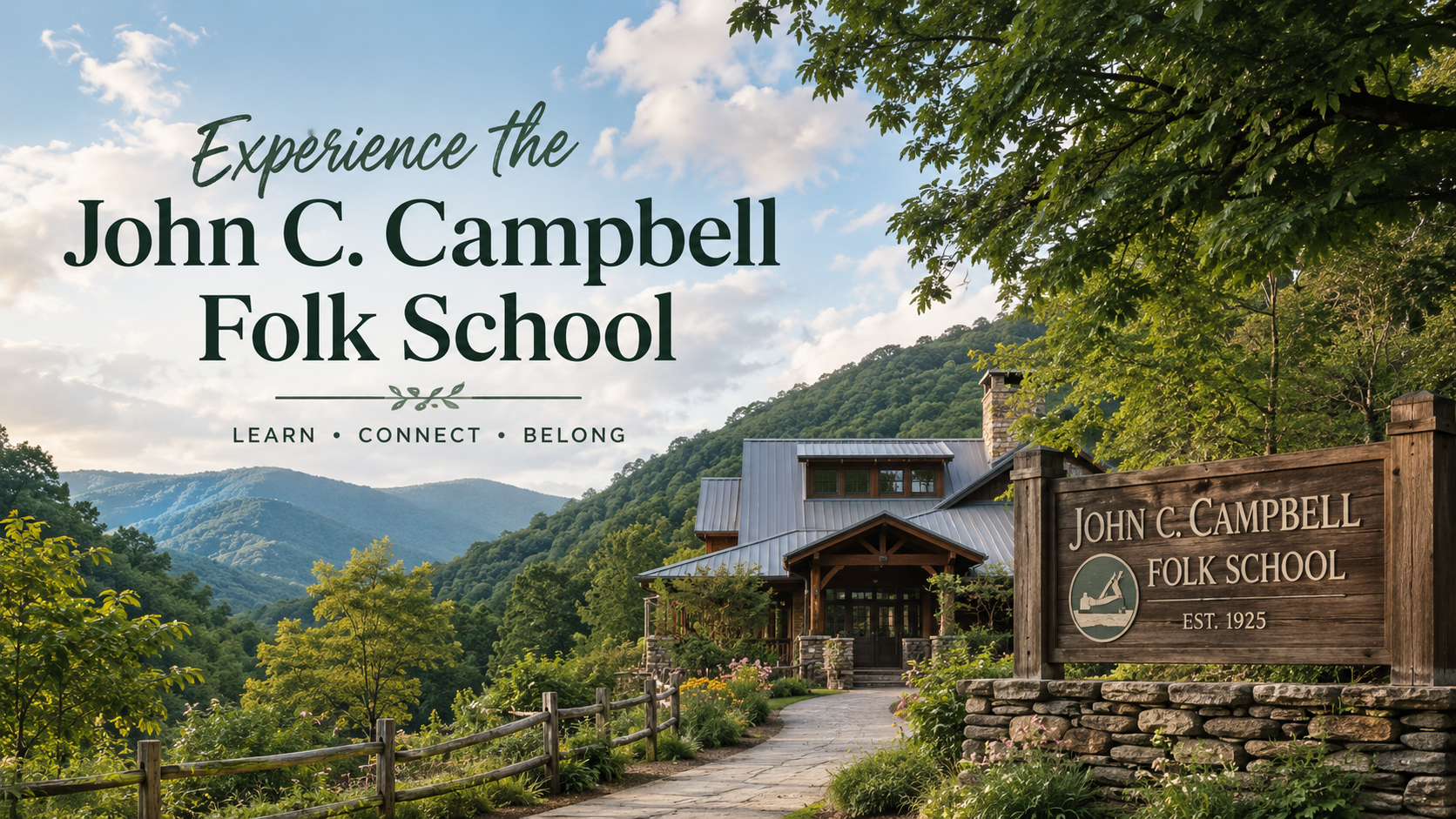
Welcome to the John C. Campbell Folk School, a sanctuary for lifelong learning and creativity tucked away in the beautiful mountains of North Carolina. Whether you are a curious beginner or a seasoned artisan, this historic campus invites you to step away from the fast pace of modern life and immerse yourself in the rich traditions of Appalachian craft, community, and discovery.
Beyond the classroom, we encourage you to explore the many things to do in Hayesville, NC, adding even more adventure to your retreat in this beautiful region.
Key Takeaways
- Experience 100 years of hands-on learning at a historic Appalachian landmark.
- Explore over fifty subject areas ranging from blacksmithing to creative writing.
- Engage with a supportive community through shared meals, dances, and concerts.
- Stay on a scenic 300-acre campus featuring historic architecture and nature trails.
- Participate in flexible, year-round educational programming tailored for adults of all skill levels.
The rich history and philosophy of the John C. Campbell Folk School
Founded in 1925, the school represents a unique intersection of history and dedicated instruction located in the heart of Brasstown. It serves as a sanctuary for those who value lifelong learning, providing a retreat from the fast pace of modern life. Visitors come to reconnect with traditional skills in a setting that prizes personal development over formal competition.
Roots in the Danish folk school movement
The origins of this institution trace back to the intellectual atmosphere of 19th-century Denmark, where educators sought to bridge the divide between theoretical knowledge and practical daily life. This philosophy arrived in the mountains of North Carolina, specifically designed to empower rural residents. By focusing on practical application, the model ensured that students felt a personal connection to their craft.
The vision of founders Olive Dame Campbell and John C. Campbell
John C. Campbell and his wife, Olive, traveled throughout the Appalachian region to document the lives and cultures of the mountain people they encountered. Their mission was to preserve the dignity of mountain life while providing new opportunities for growth. After John's passing, Olive diligently carried the project forward, securing the local support necessary to establish the campus long-term.
Understanding the "I sing behind the plow" philosophy
This evocative motto highlights the school's commitment to finding joy and purpose in every task, no matter how humble. It encourages students to view their work not as mere labor, but as a creative and meaningful expression of their own individuality. By maintaining this perspective, the school fosters a sense of contentment and deep personal satisfaction within every workshop.
Legacy of non-competitive, accessible adult education
Classes here prioritize the process of creation rather than the final assessment of a finished product. This approach allows students to explore new mediums without the pressure of grades or formal evaluation, creating a psychological space where experimentation thrives. Many students find that this freedom reignites a sense of wonder often lost in conventional learning environments.
Diverse educational programming for every interest
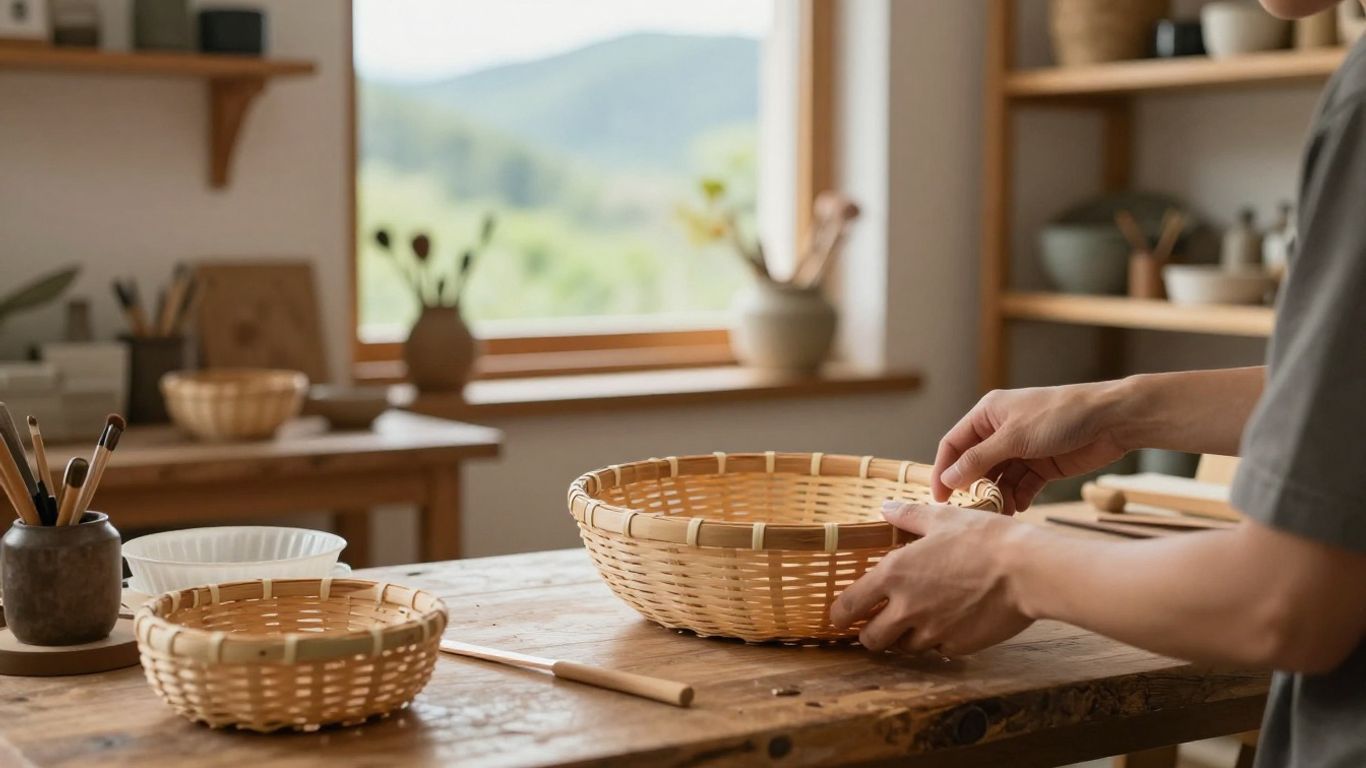
The range of workshops available ensures that everyone can find a path suited to their specific curiosities. Whether you are a beginner looking to pick up a hobby or a skilled artisan seeking to refine a complex technique, the curricula accommodate a broad spectrum of interests. Educators emphasize shared discovery, making even the most challenging subjects feel approachable.
Mastering traditional crafts and blacksmithing
Blacksmithing remains a cornerstone at the historic John C. Campbell Folk School, where the rhythmic sound of hammers hitting anvils fills the air. Students learn the elemental art of shaping metal, utilizing traditional techniques that have been passed down for generations. The following table highlights a sample of the core craft offerings currently available:
| Craft Category | Typical Skill Level | Primary Focus |
|---|---|---|
| Blacksmithing | Beginning to Advanced | Forging and Tool Construction |
| Woodworking | Intermediate | Furniture and Joinery |
| Basketry | All Levels | Weaving and Fiber Arts |
Exploring creative pursuits in fine arts and photography
Beyond traditional crafts, the school offers structured time for creative expression through painting, drawing, and high-quality photography workshops. Participants benefit from the natural light of the Appalachian mountain landscape, which serves as an endless muse for those capturing the environment on canvas or film. Instructors encourage a personalized style, focusing on individual vision rather than replicating academic standards.
Hands-on workshops in culinary arts, gardening, and nature studies
The school’s commitment to the land is reflected in its diverse offerings related to gardening and sustainable food practices. Students learn about the local ecosystem, plant cultivation, and the art of preparing wholesome, farm-to-table meals. These workshops provide a refreshing reminder of the connections between what we consume and the environment that sustains us.
Engagement with performance arts including music, dance, and writing
Performance is treated as a social endeavor, with regular sessions dedicated to music, creative storytelling, and dance. Writing workshops allow for quiet reflection, while group musical sessions encourage communication through melody and rhythm. This variety of programming ensures that the spirit of John C. Campbell Folk School continues to grow alongside its students.
Navigating the 300-acre Brasstown campus
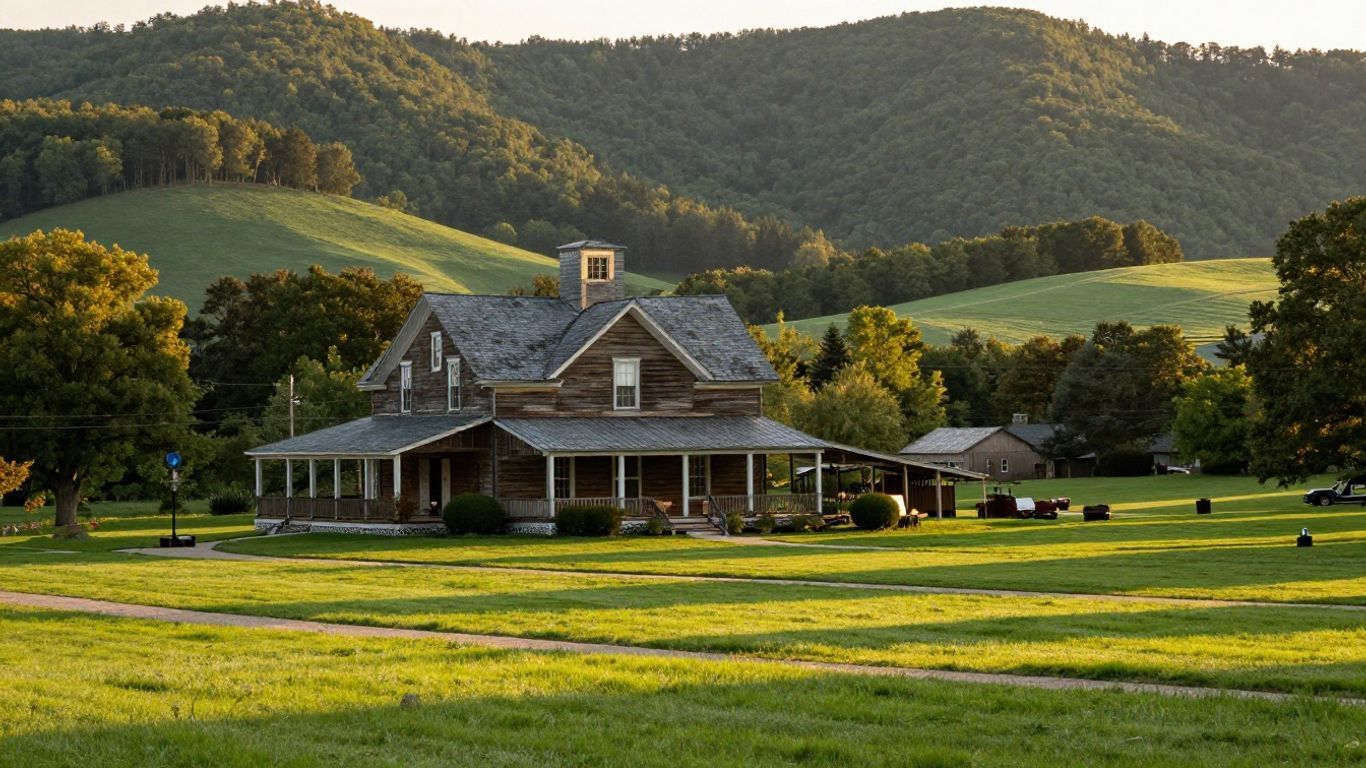
Navigating the spacious grounds is an experience in itself, as the campus is designed to encourage both exploration and quiet contemplation. Scattered across hundreds of acres, the architecture blends seamlessly into the surrounding farmland, reflecting a century of careful stewardship. Visitors will find that every path leads to a new discovery about the history of the region and the school itself.
Finding onsite accommodations and rustic lodging options
Lodging options range from traditional rooms to cabin-style settings, providing an immersive experience for those staying for weeklong or weekend workshops. Sleeping on campus allows guests to fully integrate into the community rhythms, making it easy to transition from late-evening social gatherings to morning sessions. The environment is designed to minimize distractions and enhance the peaceful mountain atmosphere.
Exploring nature trails and outdoor spaces like the Rivercane Walk
Nature enthusiasts enjoy several trails that wind through the campus, providing scenic routes for daily walks or quiet meditation. The Rivercane Walk offers a unique opportunity to interact with local flora, with art installations throughout the trail documenting the rich Cherokee history of the area. These outdoor spaces add a layer of tranquility to the academic experience, bridging the indoor life of the studio with the natural beauty of the outside world.
Key campus facilities including the craft studios and historic Keith House
- The Keith House serves as a central hub, housing administrative offices and one of the finest dance floors in the region.
- Dedicated craft studios provide ample space for specialized tools, kilns, and equipment required for diverse projects.
- The History Center acts as an archive of local culture, offering valuable insights into the lives of early mountain residents.
- Communal dining spaces foster spontaneous conversations among students from various backgrounds.
These facilities serve as the foundation for the school's daily operations, ensuring all participants have access to high-quality resources.
Practical logistics for day visitors versus enrolled students
Day visitors are invited to tour the grounds, visit the craft store, and enjoy the public spaces at their own pace. Meanwhile, enrolled students benefit from a structured schedule that maximizes their time in workshops and communal activities. While the experience differs, both types of visitors contribute to the vibrant, welcoming atmosphere of the institution.
Immersive cultural experiences and community events
Community life forms the core of the school's identity, extending far beyond the walls of the classroom. These events are designed to bring together local residents and traveling students in a spirit of solidarity. The resulting atmosphere is one of inclusion, where shared experiences build lasting relationships.
Weekly Friday evening concerts and performance series
Every Friday, the campus comes alive with music, transforming the venue into a stage for both local and visiting performers. These concerts are a cherished tradition, offering a moment to unwind after a week of learning. The variety of musical styles reflects the diverse backgrounds of participants, ensuring there is something for every listener.
Participating in community dances at the outdoor pavilion
Dancing is a fundamental part of the culture here, with regular contra dances at the pavilion held throughout the season. These events are famously welcoming, encouraging everyone, regardless of experience level, to join in the fun. It is a moment where the social barriers of the outside world are set aside for the simple pleasure of movement and connection.
Seasonal highlights including the annual fall festival
Autumn at the school is celebrated with a festival that demonstrates the wide variety of work produced by the community. It is a time when the broader public is invited to experience the unique culture of the school through demonstrations, exhibits, and performances. This event highlights the school’s dedication to keeping regional crafts relevant and celebrated in modern society.
The social importance of shared meals and community living
Sharing meals in the cafeteria provides a natural space for participants to connect and reflect on their day. These moments of community living allow for the exchange of ideas and experiences that often prove as valuable as the formal workshop instructions. It is in these quiet, shared moments that the true mission of the school is realized.
Tips for planning your visit
Planning a trip to this mountain destination requires a bit of foresight to make the most of the diverse activities available. Because the schedule can change, checking the upcoming list of offerings ahead of time is recommended. A well-planned visit ensures you can focus entirely on your chosen craft and the unique cultural experiences offered on the grounds.
Choosing between weeklong or weekend workshop sessions
The duration of your stay will depend on the depth of instruction you desire. Weeklong sessions provide a more comprehensive experience, allowing you to dive deep into a subject over several days. Weekend sessions, by contrast, offer a quick, high-energy introduction to a craft, which is perfect for those with limited time.
Browsing the craft shop for work from regional and national artists
The onsite shop features work that highlights the skills of regional creators, offering guests a chance to purchase one-of-a-kind treasures. From pottery to hand-carved wood, the items reflect the same high standards utilized in the school's classrooms. Supporting these artists means keeping traditional creative practices alive and healthy in the local economy.
How to select a class based on personal skill level and interest
When reviewing the course catalog, consider your current level of experience and your appetite for a challenge. Detailed descriptions provide information on whether a class is suitable for absolute beginners or requires prior knowledge. Many students choose to combine their interests, selecting a primary craft alongside a shorter workshop in music or storytelling.
Best times of year to experience Appalachian mountain weather and campus life
Spring and autumn are considered the most pleasant times to visit due to the mild mountain weather and vibrant scenery. Summer offers a lively campus atmosphere with high participation rates, while winter provides a quiet, introspective period perfect for focused work. Regardless of the month, the John C. Campbell Folk School remains a destination that transforms with the changing seasons.
Conclusion
Visiting the John C. Campbell Folk School is more than just attending a class or taking a trip; it is an invitation to reconnect with the value of creation and communal living. By placing people and their inherent creativity at the center of the experience, the institution continues its long tradition of fostering growth, discovery, and joy.
Whether you are seeking to master a new skill or simply looking for a meaningful break from the modern world, this storied campus provides the perfect space to grow. For those visiting the area, we highly recommend the Deerfield Inn - Lakeside Hotel in Hayesville, NC, as a wonderful place to stay.
Frequently Asked Questions
Is the campus open to the public daily?
Yes, the grounds are generally open to visitors during daylight hours for self-guided explorations, store browsing, and enjoying the natural surroundings.
Do I need to have prior experience to join a class?
While some advanced workshops require a foundation in specific techniques, the majority of classes are designed to be inclusive, welcoming absolute beginners alongside experienced practitioners.
Are meals included for workshop participants?
Most workshop registrations include access to the dining facilities, where students share wholesome, freshly prepared meals with their peers and instructors.
What should I pack for a visit to the mountains?
Packing comfortable clothes suitable for both studio work and outdoor walking is advised, alongside layers to accommodate the variable weather that is common in higher elevations.
Can I visit the History Center individually?
Yes, the History Center is open to the public during posted hours, providing a fascinating look into the cultural heritage of the surrounding region.
Is there an age limit for students?
Most programs are tailored for adults, ensuring that the learning environment is focused on the professional and social goals common to mature students.
Are there any performance events I can attend without enrolling?
Yes, the school hosts several public performances, including Friday evening concerts and select community dances, which are open to visitors throughout the year.