
Hidden Gems in Hayesville, NC
Hidden Gems in Hayesville, NC: Secret Spots & Local Favorites
By: Menandro Bacalangco Jr. | July 10, 2026

Hidden Gems in Hayesville, NC: Secret Spots Worth Visiting
Nestled in the heart of the Appalachian Mountains, historic Hayesville serves as a premier destination for travelers seeking both rejuvenation and adventure. When considering the best things to do in Hayesville, look no further than the serene, expansive waters of Lake Chatuge or the rugged, awe-inspiring beauty of the Nantahala National Forest.
This charming town offers a unique escape into nature’s embrace, perfect for those looking to disconnect from the modern world and reconnect with the tranquility of the great outdoors.
Key Takeaways
- Discover expansive, quiet shoreline access along the pristine Lake Chatuge.
- Engage with deep indigenous history through curated archaeological paths.
- Experience authentic Appalachian crafts and small-batch culinary offerings.
- Prioritize wellness and mental clarity through immersive forest bathing experiences.
- Support local resilience by practicing respectful, eco-friendly travel habits.
Exploring the natural wonders of Lake Chatuge
Lake Chatuge remains a cornerstone of the regional landscape, functioning as both a recreation hub and a source of quiet contemplation for residents and visitors. The expansive lake water surface reflects the surrounding mountains and ridge lines, creating a mirror-like environment that shifts tone with the light. Travelers often find that the best approach here involves stepping away from mapped docks to discover a secluded cove or quiet overlook found in this outdoor escape.
Accessible shorelines and quiet picnic spots
Finding a moment of solitude by the water is straightforward if you move beyond the boat launch areas. Many of the smaller, uncrowded banks offer soft lawns and shaded benches perfect for a midday break. Local families often frequent these areas to appreciate the gentle breeze coming off the lake.
Hidden hiking trails and exploring the National Forest
Venturing deeper into the woods requires a willingness to explore lesser-traveled terrain in the Nantahala National Forest. While well-marked hiking trails exist, the secret is in the quiet spurs that lead to solitary overlooks or hidden streams. These paths, including those around the Chunky Gal ridge and the stunning Tusquitee Falls, are primary examples of the best hiking trails found in the region.
Whether you choose a scenic mountain hiking trail or a path exploring a creek and river, these outdoor attractions offer a deeper connection to the Southern Appalachians, such as the popular Jackrabbit loop.
Kayaking and paddleboard sanctuaries in secluded coves
Nautical exploration is best managed by launching from quiet points away from high-traffic zones. Many paddlers discover coves that are inaccessible by road, where the stillness is only broken by native birds. The following table provides a guide for planning your paddle routes based on water conditions and expected serenity.
| Cove Name | Difficulty Level | Best Time for Solitude |
|---|---|---|
| Eastern Inlet | Beginner | Early Morning |
| Southern Bay | Intermediate | Mid-Week |
| Northern Pocket | Advanced | Late Afternoon |
Selecting a route based on your experience level ensures safety while maximizing the quiet appeal of these water-bound sanctuaries in secluded coves.
Sustainable wildlife observation and photography locations
Observing the local fauna is most successful when visitors remain still and patient near the forest edge. Photography enthusiasts often gather near the treeline during the golden hour to capture native birds and occasional small wildlife. Respecting these habitats is vital for the long-term health of the ecosystem.
Uncovering local heritage and historic sites

History in Hayesville is etched into the landscape itself, where ancient pathways and mid-century structures tell the story of the Valley Towns. The cultural evolution of the area reflects a blend of indigenous roots and pioneer ambition. Visitors often find that slowing down to look at the finer details reveals the depth of the local narrative.
The cultural evolution of the Quanassee Path
Walking the Quanassee Path serves as an essential introduction to the region's historical timeline. This route links various remnants of early Cherokee life and modern preservation efforts. It is a reminder of the historical significance that permeates the very ground of Clay County.
Exploring the Spikebuck Mound and surrounding archaeological sites
These sites provide a visceral look at the foundations of the area, having served as a central hub for indigenous communities long before current town structures were built. Scholars and history enthusiasts find that visiting these mounds provides a crucial perspective on the resilience of ancient traditions and how they continue to influence the architectural layout of the modern town.
Small-town history through the historical museum
Local documentation offers a granular look at the families and events that shaped the town into what it is today. Visitors are encouraged to spend time in the quiet galleries where artifacts are curated with a personal touch. These institutions act as guardians of the area's narrative legacy.
Architectural gems in historic downtown Hayesville
Several buildings surrounding the central square maintain their original character, showcasing traditional construction techniques. Walking these blocks provides a bridge to the past, with many facades featuring details that remain unchanged for decades. Each corner of the square invites a slower pace of observation.
Culinary discoveries and local craft culture
Hayesville has developed a distinct flavor profile that emphasizes freshness, seasonal availability, and a dedication to slow-living. The dining scene here moves away from pre-packaged convenience to favor methods that celebrate regional ingredients. It is a journey for those who prefer quality over mass-market trends.
Identifying farm-to-table dining, Eagle Fork Vineyards, and local produce markets
Connecting with local growers is at the heart of the culinary experience in the mountains. Many restaurants source their daily specials from nearby homesteads, ensuring that the food is as fresh as the mountain air. This culinary guide helps visitors map out dining options that truly embody the regional spirit.
Hidden artisan coffee shops and slow-living meeting spots
Coffee culture in the highlands is about providing a space for conversation rather than just a quick caffeine fix. These shops often double as centers for local art and music, creating a hospitable environment for visitors. Finding these spots usually involves a bit of exploration into the town’s quieter side streets.
Strategies for finding unique local craft galleries
Artisans in the area rely on deep traditions passed down through generations, often utilizing native woods or locally harvested clay. To find the most unique pieces, consider the following strategies:
- Visit the small workshops located just off the main road.
- Ask local proprietors for recommendations on emerging artists.
- Attend gallery openings held during the weekend.
- Look for handcrafted items at seasonal community festivals.
These methods are more reliable than standard retail shopping for discovering the authentic soul of the regional craft scene.
The best-kept-secret weekend markets and farm stands
Visiting a local farm stand is one of the most rewarding ways to understand the cycle of the seasons here. Sellers take pride in their produce, and conversations at these stands often lead to hidden insights about local culinary secrets. It is a simple, direct way to participate in the local economy.
Finding wellness through mountain tranquility
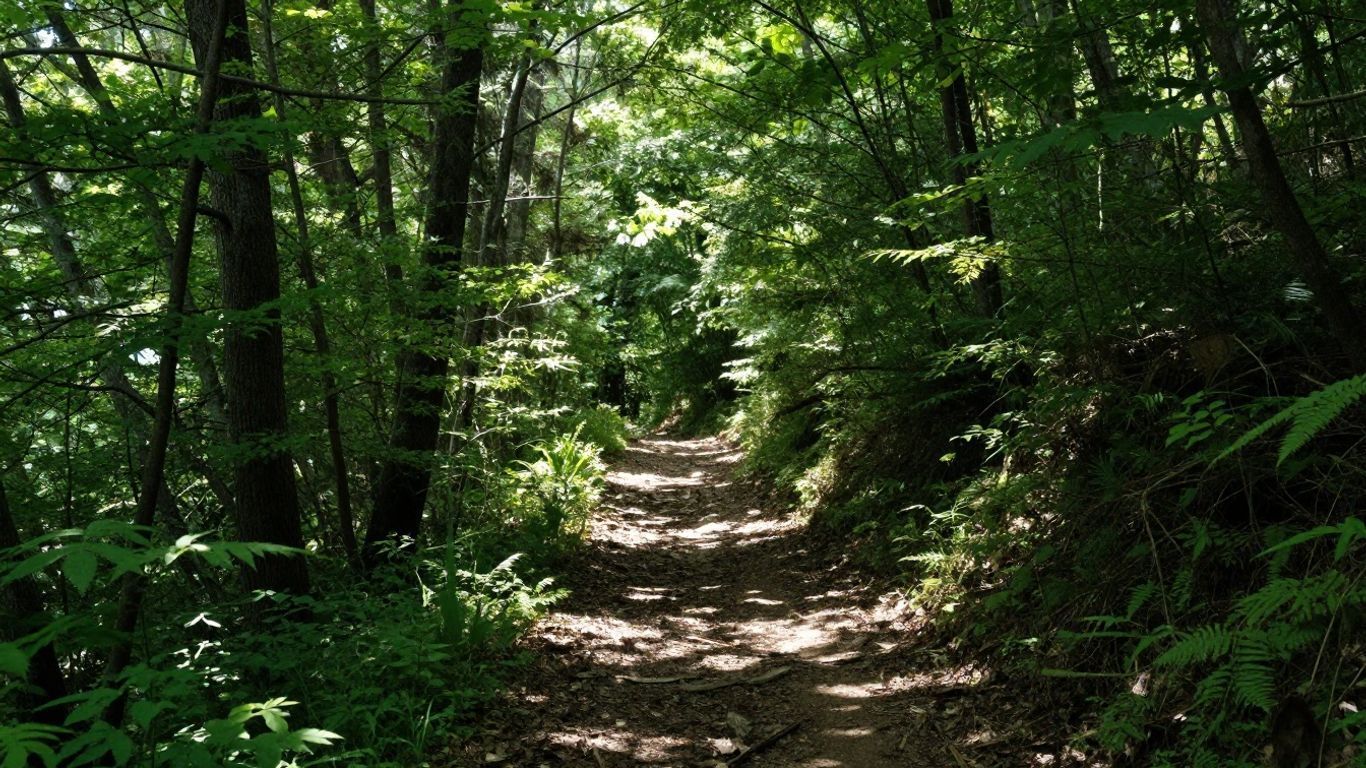
Wellness in the Appalachian foothills is less about modern spa facilities and more about direct engagement with the natural rhythm of the environment. The atmosphere is naturally restorative, encouraging a sense of focus that is often missing from everyday life. Taking time away from technology to breathe the mountain air is increasingly viewed as an essential recovery practice.
Forest bathing and therapeutic nature immersion spots
Spending dedicated blocks of time in the dense timber of the Nantahala National Forest is an effective way to lower stress levels. These forest bathing spots are chosen for their quietude and the quality of their natural soundscapes. Many visitors leave these immersive sessions feeling a renewed sense of clarity.
Accessible yoga and mindfulness locations for quiet reflection
Finding a suitable place for mindful movement is about matching the activity to the surrounding stillness. Local open spaces are often utilized by groups looking for quiet places to practice reflection away from the distractions of the city. These locations remain open and welcoming to those seeking a peaceful, meditative experience.
Integrating physical recovery with gentle outdoor activities
Physical well-being is often restored through a mix of movement and rest. Walking along soft ground or participating in low-impact water activities helps the body recover from the stresses of an active life. It is not about intense performance, but rather sustained ease of movement.
Why the quiet pace of Hayesville boosts mental well-being
There is a documented psychological benefit to placing oneself in quieter, naturally buffered environments. Hayesville allows the nervous system to reset by offering a landscape that does not demand constant reaction. This shift in the environment is a primary reason why visitors often seek a mountain getaway for their annual recovery.
Authentic experiences in the Appalachian foothills
Engaging with the authentic life of these mountain foothills requires an openness to local pacing and traditional community events. The heartbeat of the area is found in the people and their long-standing customs. It is a region where community connection is held in high regard, manifesting in gatherings that range from musical performances to seasonal celebrations.
Community festivals and local gathering spaces
Festivals in the town square often feature regional musicians and traditional craft demonstrations that have been part of the area for centuries. These spaces are where the community shares its collective identity. Visitors are welcome to watch and participate, gaining a genuine look at mountain life.
Navigating seasonal shifts for the best solitude
Understanding the regional climate is key to finding the quiet you are looking for. While summer brings vibrant activity, the shoulder seasons provide long stretches where the forest feels entirely your own. Knowing when to plan your trip allows you to sync with the land's natural cycle of engagement and rest.
Connecting with regional mountain traditions and craftsmanship
Tradition here is dynamic, constantly interpreted through modern hands. Spending time talking to woodworkers or weavers offers a window into the history of the materials that define the local aesthetic. It is a practice of honoring the past by actively supporting its continuation.
Finding beauty in the landscape during the off-season
Winter and late autumn bring a different kind of splendor to the foothills, where the absence of foliage reveals the skeleton of the mountains. This is an ideal time for writers, photographers, and those who need a starker sort of beauty. The landscape is stripped back, allowing the sheer scale and relief of the mountains to capture the imagination.
Practical advice for a respectful visit
Traveling to the mountains with a focus on respect ensures that these treasures remain available for future generations. The topography can be challenging, and the infrastructure is designed to maintain the quiet, fragile nature of the terrain. Thoughtful planning is the best way to ensure your impact remains minimal.
Best practices for eco-friendly mountain exploration
Adhering to principles like carrying out what you carry in is essential. The local ecology is delicate, and even small deviations from maintained paths can lead to long-term impact on the land. Being a conscious visitor protects the very things you came to admire.
Navigating rural topography and reliable travel logistics
Rural travel requires patience and awareness of the local road layouts, which often hug the mountains and follow stream beds. Plan your routes in advance and ensure your vehicle is suited for winding, narrow segments that may have limited cell service. Staying informed about current conditions is a key part of your safety.
Strategies for supporting small business owners
Local businesses are the backbone of the hospitality experience here. You can make a tangible difference by shopping at independent storefronts and dining at family-owned establishments. This approach helps sustain the cultural richness that makes the destination special in the first place.
Determining the ideal duration for a restorative trip
A short weekend may provide a change of scenery, but three to five days allow for a deeper slowing of the nervous system. The extra time enables a shift in behavior, allowing you to settle into the pace of the mountains instead of constantly rushing to the next sight. True restoration often begins only after the initial travel fatigue has fully dissipated.
Conclusion
Visiting this Appalachian sanctuary invites a necessary pause in the modern rush, offering a rare opportunity to recalibrate through nature, history, and community. By choosing to explore with intention and respect, every traveler becomes a steward of the quiet charm that defines the region. Whether you are finding peace by a still lake or uncovering stories within a historic square, the memories formed here will undoubtedly echo long after you have returned to your daily life.
Frequently Asked Questions
What is the best season to enjoy the scenery?
Each season offers a distinct visual shift, from the vibrant green of spring to the stark, dramatic silhouettes found in the deeper winter months.
Do I need a four-wheel drive vehicle to reach these locations?
Standard vehicles are sufficient for most public roads, though having reliable tires and an awareness of winding road conditions is helpful for accessing more remote trailheads.
Are there opportunities for educational experiences?
Local museums and cultural path markers provide ongoing opportunities to learn about the indigenous history and regional traditions that form the base of the community.
How can I best protect the local environment?
Picking up your trash, staying on designated trails, and being mindful of wildlife distance are the most important steps for any responsible visitor.
Is this area suitable for large group tours?
Because the focus here is on tranquility and the preservation of quiet spaces, smaller, individualized travel groups are much more common and accepted.
Are local markets open all year round?
While some specialize in seasonal offerings like produce, others remain open throughout the year, featuring local crafts and artisanal goods sourced from within the county.
What should I pack for a mountain trip?
Focus on layered clothing, sturdy footwear for uneven terrain, a physical map, and sufficient water to stay hydrated while outdoors.