
Explore the Best Kayaking Spots in Hayesville, NC
Explore the Best Kayaking Spots in Hayesville, NC
By: Menandro Bacalangco Jr. | July 09, 2026
Best Kayaking Spots in Hayesville, NC: Lake Chatuge & Hiwassee River Guide
Discover the serene beauty of Hayesville, NC, a premier destination for kayaking enthusiasts where the tranquil spirit of the mountains meets the thrill of water adventure. Whether you are seeking peaceful lake surfaces or the rhythmic rush of a river current, this hidden gem offers a perfect blend of natural solitude and exhilarating exploration.
Key Takeaways
Planning a trip to find the Best kayaking spots in Hayesville, NC offers a unique way to connect with the Appalachian wilderness. Whether you prefer lake cruising or river excitement, this region provides diverse experiences for every skill level.
Lake Chatuge offers extensive, calm shoreline access for beginners and recreational boaters.
The Hiwassee River provides structured paddling with varying currents and scenic corridors.
Seasonal timing is crucial for managing water flow, temperature, and overall comfort.
Environmental stewardship is essential to preserving these pristine public waterways for future visitors.
Pairing your water activities with local hiking trails enhances the overall wellness value of your stay.
Understanding the waters of Lake Chatuge
The vast and sprawling nature of Lake Chatuge makes it one of the most inviting reservoirs in the Southern Blue Ridge Mountains. Spanning the border of North Carolina and Georgia, its winding shoreline and numerous coves ensure that paddlers can almost always find a protected area even on breezy days. Many visitors take advantage of the best things to do in the area by starting their day on these calm waters before transitioning to land-based activities.
Geographical layout and primary access points
The lake’s footprint is defined by its irregular, meandering shape which carves deep into the mountain landscape. You can launch your vessel at several developed public boat ramps, such as the one at Jackrabbit Recreation Area, which offers direct access to some of the most scenic stretches of the water. Other frequent entry points are found near local marinas, providing ample parking and convenient loading zones for those traveling with their own equipment.
Water conditions and seasonal variations
During the peak of the warm season, the water temperature in the lake becomes ideal for extended paddling sessions. The surface remains relatively stable and gentle, though wind patterns in the late afternoon can sometimes whip up short, choppy waves if you are out in the main channel. It remains a consistent destination for those seeking tranquility, unlike the more chaotic, high-traffic reservoirs located in larger metropolitan areas.
Safety considerations for open water paddling
While the lake is inviting, it is essential to remain aware of your surroundings, especially regarding motorized watercraft traffic. Paddling near the shoreline is generally safer for those looking to avoid boat wakes and deep-water currents. Below is a list of recommended safety items to carry on the water:
- A well-fitting U.S. Coast Guard-approved personal flotation device.
- A reliable communication device or waterproof cellular bag.
- A high-visibility whistle for signaling nearby boaters.
- Extra hydration and sun protection for open-water exposure.
Maintaining situational awareness ensures that your time on the water is both a rewarding and safe experience while exploring these mountain reservoirs.
Exploring the Hiwassee River paddle trails and segments
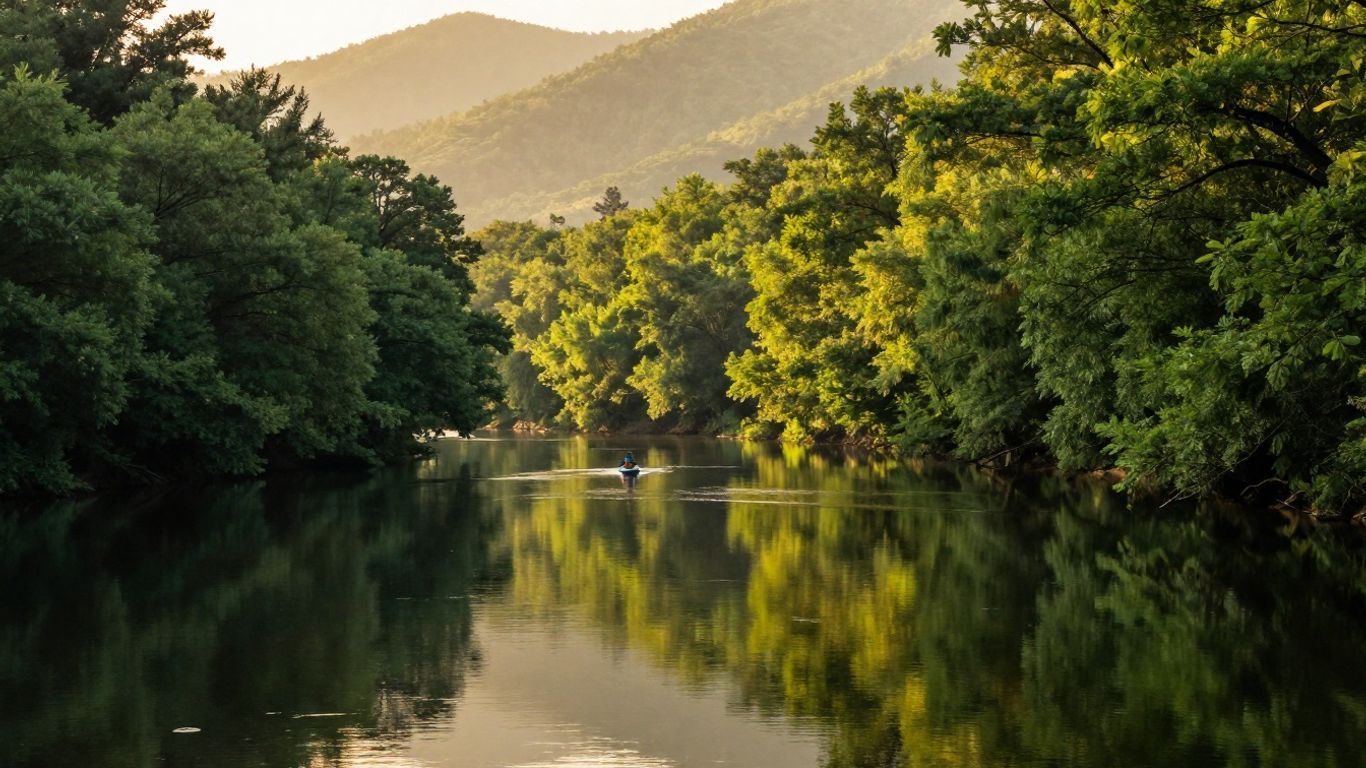
The Hiwassee River presents a distinct contrast to the stillness of Lake Chatuge, offering moving water that flows through lush mountain corridors. This waterway is highly popular for those seeking a more dynamic paddling experience that requires basic river-reading skills rather than just endurance. The river sections here are well-regarded for their accessibility and ability to accommodate various skill levels throughout the year.
Navigating Class I and II rapids
The Hiwassee features manageable whitewater sections that are perfect for intermediate kayakers looking to hone their technical abilities. These rapids are generally forgiving, allowing for practice on catching eddies and navigating clear-cut channels. The character of the river changes depending on the release flow, so checking local dam schedules is a must for any excursion.
Identifying entry and exit points for beginners
For those just getting started, identifying specific river segments is important to avoid overestimating your own capability. Numerous informal launch paths along the riverbanks are frequently used by local enthusiasts. We recommend consulting a kayaking experience guide to identify public access ramps that offer the safest entry and exit points for rental users.
Preparing for river currents and flow rates
The river environment requires a proactive approach to safety because flow rates can shift rapidly after recent rainfall or scheduled dam releases. Travelers should understand the following performance data to gauge river conditions accurately before planning a trip:
| Flow Type | Difficulty Rating | Best Vessel Type | Recommended Skill |
|---|---|---|---|
| Low Flow | Class I | Sit-in Kayak | Beginner |
| Moderate Flow | Class II | Sit-on-top | Intermediate |
| High Flow | Class III | Whitewater Model | Advanced |
By checking the flow dynamics in advance, you can ensure that your day on the river aligns with your personal comfort level and equipment capabilities.
Essential gear and rental services
Selecting the right equipment is the cornerstone of any successful water excursion in the Appalachian region. Whether you are bringing your own gear or relying on local providers, the focus should always be on stability and comfort. The local market for food and sleep options also intersects with outdoor recreation, ensuring that you can find rentals near your base of operations.
Choosing the right kayak for local conditions and kayak fishing
The type of kayak matters significantly depending on whether you are exploring the open expanse of a reservoir or the moving channels of a river. For lake fishing or leisure, a boat with good initial stability and comfortable seating is preferred. In contrast, river paddling often benefits from a more responsive boat that can handle minor rocks and shallow water sections with ease.
Utilizing local outfitter equipment and shuttle services
If you prefer not to transport your own kayak, regional outfitters provide high-quality rentals and logistical support. Using a professional shuttle service is particularly helpful when planning one-way river trips, as it spares you the hassle of coordinating vehicle movement between the put-in and take-out points. This allows you to focus purely on the experience of being in nature rather than the headache of transport logistics.
Packing the right safety essentials for the region
Safety in the mountains involves more than just water-specific gear; it encompasses preparation for variable weather and remote terrain. You should always carry a basic repair kit, a comprehensive first aid set, and sufficient navigation tools that function without a cellular signal. Preparation is an essential component of professional-level wilderness tourism.
Determining the best seasonal conditions for paddling
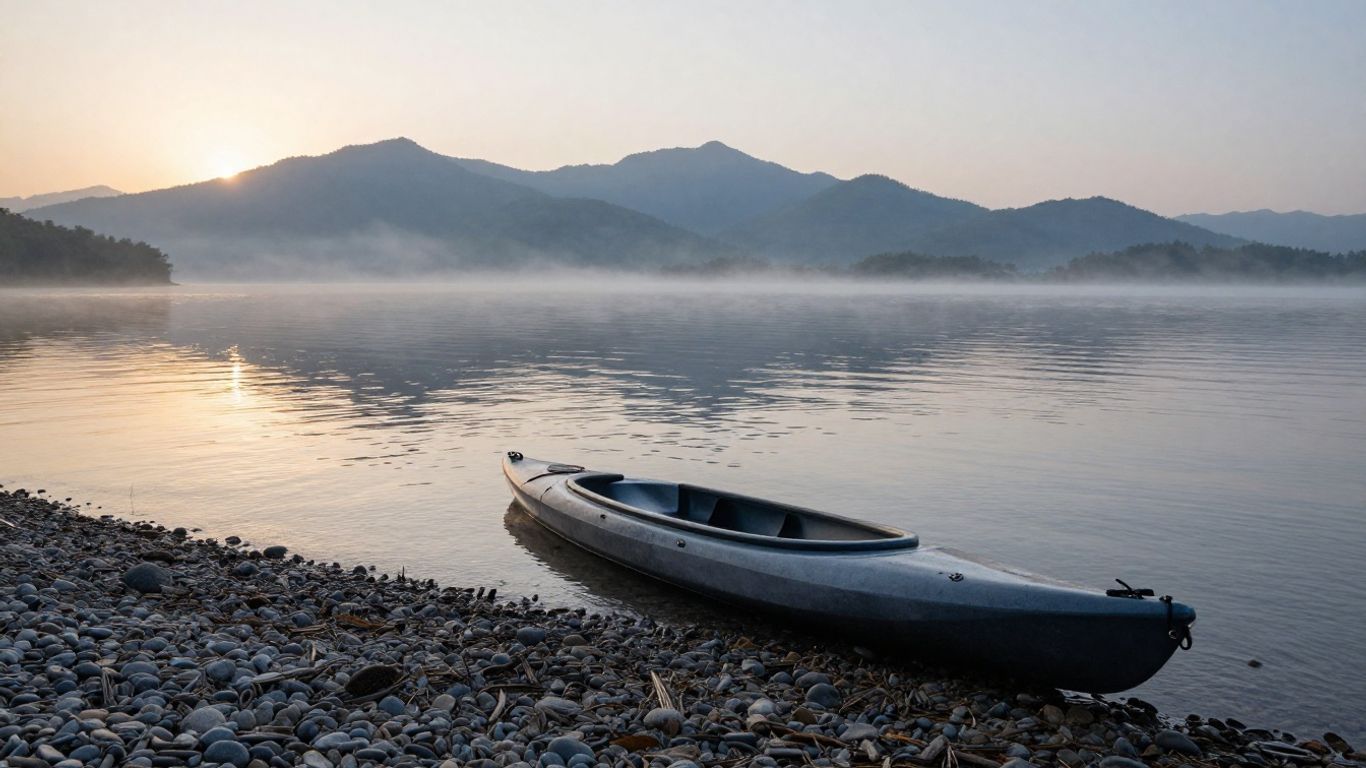
The timing of your trip dictates almost every aspect of the mountain experience, from air quality to water depth. Early spring and late autumn often provide the best balance of manageable temperatures and higher river volumes for those who enjoy a bit more energy in their paddle. During these periods, the surrounding forest colors change to create a visually striking backdrop for your journey.
Optimal months for water temperature and volume
The peak window for comfortable swimming and light recreational paddling typically occurs between June and early September. However, if you are interested in whitewater sports, the spring months or rainy autumn periods offer more consistent water release schedules. You can explore Hayesville and Brasstown as a primary destination during these shoulder seasons to enjoy the outdoors while the climate is mild.
Managing summer heat and sun exposure
Summer in the mountains can get quite intense, and reflecting UV rays off the water increases your risk of exposure. Don't forget that consistent sun protection is necessary for long days on the water. We suggest using specialized apparel with built-in UPF ratings alongside a reliable source of clean hydration to stay refreshed throughout your excursion.
Taking advantage of off-season opportunities for solitude
Visiting during the off-season offers a sense of privacy that is rarely found in the busier summer months. The trails and water access points are usually empty, allowing for a quiet connection with the environment that is perfect for those prioritizing mental wellness and recovery. This is an ideal time for serious outdoor enthusiasts to visit.
Local regulations and environmental stewardship
Preserving the natural integrity of Hayesville requires all visitors to adhere to local guidelines and ethical outdoor standards. These rules exist not just for conservation, but to ensure that the beauty of the region remains intact for future generations of adventurers. Engaging with fly fishing or other water sports responsibly is a key part of local tourism culture.
Rules regarding wildlife encounters and protected habitats
Local authorities emphasize the need to keep a safe distance from wildlife to avoid disrupting their feeding and nesting behaviors. Certain stretches of the river are classified as protected habitats where landing a kayak or wading is strictly prohibited. Always observe signage at park boundaries to identify where humans are invited to explore versus where nature is left undisturbed.
Applying leave no trace principles to river travel
Leave no trace is the code of conduct for every water sport participant. This means packing out every piece of trash, keeping noise levels low to respect other visitors, and ensuring that no gear is left behind at remote access points or river banks.
Understanding public versus private property access boundaries
Navigating private property lines can be confusing for newcomers to the region. Public access is defined by legal easements and parklands, and trespassing onto adjacent private land remains a significant concern for landowners. Always verify your put-in and take-out locations on a trusted map to ensure you are strictly on public property.
Planning a comprehensive kayaking excursion
Structuring a trip that combines exercise, nutrition, and rest requires a bit of foresight. By aligning your water-based activities with your lodging location, you minimize travel time and maximize your time in nature.
Finding accommodations near key kayak launches
Choosing a stay that puts you within a short drive of your launch sites can significantly improve your daily experience. Local boutique lodging options often provide specialized storage for gear or offer insider tips on the best spots to visit, which can be an invaluable resource for first-time visitors seeking to optimize their schedule.
Coordinating food supplies and nearby dining options
Proper fuel is essential for any day spent on the water. Whether you are grabbing a hearty breakfast before heading out or celebrating finished excursions with a local meal, the proximity of cafes and markets is a major factor in planning. Look for spots that cater to active travelers looking for quick, high-energy meals.
Combining water sports with local hiking trails
Many of the best paddling spots are located near world-class trail networks. Scheduling a kayak session in the morning and a woodland hike in the afternoon is a popular way for fitness-minded tourists to maximize their physical activity during their visit. This blend of water and mountain travel is the hallmark of a well-rounded getaway.
Conclusion
Exploring the waterways of Hayesville provides a compelling mix of physical challenge and natural beauty suitable for any traveler. By preparing with the right gear, respecting local regulations, and focusing on seasonal timing, you can enjoy a restorative escape that aligns perfectly with modern trends in wellness and adventure travel.
For those planning a kayaking getaway, the Deerfield Inn - Lakeside Hotel in Hayesville, NC, serves as a highly recommended home base for visitors looking to balance outdoor adventure with comfortable riverside accommodations.
Frequently Asked Questions
Do I need a permit for kayaking in Hayesville?
Generally, no specific permit is required for recreational kayaking on public waters like Lake Chatuge, but you should always check if your chosen access point is within a state or national recreation area that might charge an entry or parking fee.
Are there beginner-friendly river sections for families?
Yes, there are several calm, slow-moving stretches of the Hiwassee River that are suitable for beginners and families, especially during low- to moderate-water-flow days.
What is the best time of day to kayak on the lake?
Early morning is highly recommended for lake paddling as the air is calm and the water surface is typically glassy before the midday winds and boat activity pick up.
Is it safe to swim in Lake Chatuge?
Swimming is a popular activity, and many areas are perfectly safe, but you should always stick to designated swim beaches and keep a close eye on boat traffic, especially in open-water regions.
Can I rent kayaks directly at the lake?
Yes, there are several local outfitters that provide rental services, including gear delivery and pick-up options, to make your experience as seamless as possible.
What should I wear while kayaking in this region?
Wear synthetic, quick-drying clothing that provides protection from the sun, and always ensure you are wearing a secure pair of water shoes that won't slip off while you are navigating rocky areas.
Are there any dangerous animals I should watch out for?
While wild animals like bears and snakes are present in the Appalachian region, they generally avoid high-traffic areas and public recreation zones; just keep a clean camp and maintain a respectful distance if you happen to spot any wildlife.