Go Fishing in Clay County: Top Fishing Locations and Tips
Go Fishing in Clay County: Top Fishing Locations and Tips
By: Menandro Bacalangco Jr. | July 02, 2026
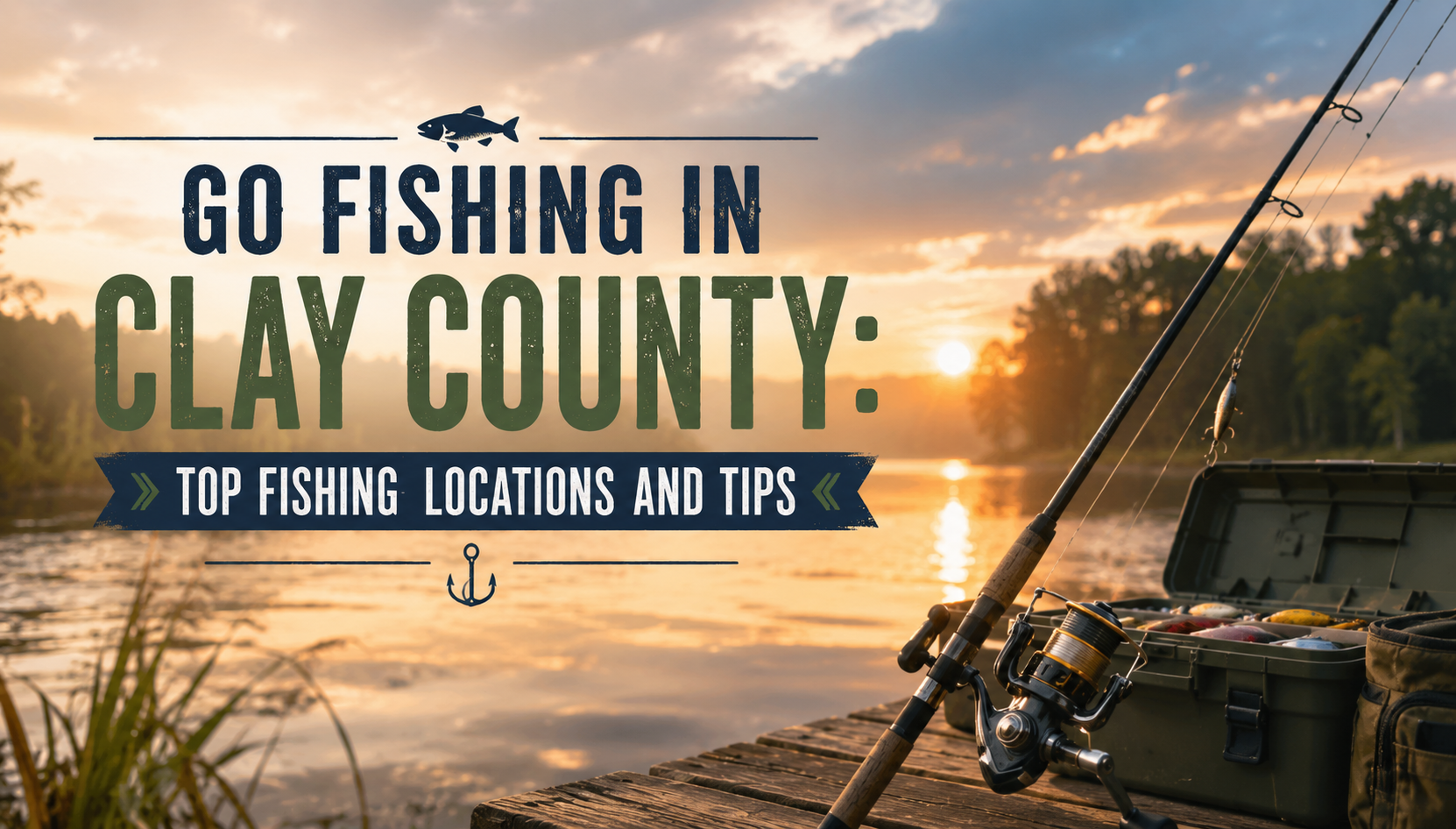
Whether you are planning your first outdoor escape or are a seasoned angler, Clay County offers an unparalleled backdrop for your next adventure. Hayesville, NC, serves as a vital hub for outdoor enthusiasts, perfectly blending its role as an ideal home base for premier fishing adventures and a vibrant gateway to diverse local activities.
The region is a true sanctuary for those who seek the harmony of untouched nature, boasting vast, winding river systems, hidden spring-fed ponds, and expansive public lakes that glisten under the Southern sun. From the serene, meditative silence of a mist-covered morning by the water to the pulse-pounding rhythm of a prized catch pulling against your line, Clay County provides a multifaceted fishing experience that caters to every soul.
Beyond the well-known destinations, visitors can go fishing in Clay County with minimal effort thanks to the area's accessible shoreline, clearly marked fishing access points, and welcoming outdoor amenities. From quiet coves to mountain streams, there are plenty of places where anglers can enjoy fishing while surrounded by the scenic beauty that makes western North Carolina such a popular destination.
Key Takeaways
Planning a successful outdoor excursion requires attention to detail, especially when exploring inland waterways. Here are the core pillars to consider for your next angling trip.
- Prioritize the research of public lake access points to ensure a streamlined arrival.
- Align your timing with known spawning cycles to increase your success rates.
- Utilize high-quality tackle that matches the specific clarity of local water conditions.
- Familiarize yourself with all state and county regulations long before casting your first line.
- Leverage local expert resources to gain insights on current fish activity and structural hot spots.
Exploring top fishing spots in Clay County
Whether you are a seasoned angler or a family looking for a weekend pastime, the region offers diverse environments that cater to every skill level. Choosing the right terrain is the first step toward a productive day on the water, and understanding the layout of the area is essential for any visitor. By knowing which accessibility standards define premium sites, you can better plan your journey to these serene landscapes.
The region includes several county lakes and smaller county lake destinations that appeal to both experienced anglers and families looking for a relaxing day outdoors. While many visitors head straight to the larger reservoirs, smaller waters can often be easily surveyed, making it simpler to locate productive shoreline structure and active fish.
Identifying public fishing lakes
Publicly managed lakes provide a reliable foundation for your fishing strategy, often featuring stocked populations and maintained shores. You can access Clay County Public Fishing Lakes for a structured environment where management teams ensure healthy fish density year-round. These locations typically provide the following amenities for regular visitors:
- Paved parking areas for easy vehicle transition.
- Well-groomed bank fishing sites suitable for youth and beginners.
- ADA-compliant piers providing access to deeper water structures.
- On-site concession offices that provide basic supplies and current reports.
These facilities remove the guesswork for those new to the area, allowing you to focus entirely on your equipment and strategy.
Selecting river and stream locations
Moving water provides a unique reward, as the constant current dictates where fish hold and feed throughout the day. When browsing potential sites, look for natural bends or obstacles that break the flow, as bass and trout often wait in the resulting calm pockets.
Evaluating boat ramp accessibility
Launching a vessel requires the right infrastructure to keep your equipment safe and your timing sharp. Many local authorities have upgraded their facilities to include reinforced ramps and boarding docks that handle varied water levels throughout the season.
Factors for timing your visit
Timing is often the difference between a sparse day and a record catch, with water temperature acting as the primary driver for fish behavior. Avoiding the midday sun in shallow water can significantly improve your results, especially during the summer peak.
Target species and their seasonal patterns
Successful angling across the region largely depends on understanding the specific lifecycle of the fish you intend to catch. As temperatures transform the water column, the behaviors of local populations shift to match their metabolic needs. Having a solid grasp of these patterns allows you to target more active species during optimal time slots.
Identifying popular bass populations
Bass represent the primary game fish in these regions, prized for their explosive behavior and agility. These fish move toward shallower rocky points during the pre-spawn phase, making them accessible to both bank and boat anglers alike.
Panfish strategies during spawning season
During the spring months, panfish become highly predictable, congregating in shallow areas to guard their nests. Using compact, high-action lures often triggers aggressive territory-defense strikes, even from smaller individuals.
Seasonal shifts in trout behavior
In cooler reaches, trout migrate toward cooler, well-oxygenated currents. Staying tuned to water temperatures below the average allows you to track these populations throughout the transition between spring and summer.
Habitat preferences for diverse catfish species
Catfish generally inhabit deeper, muddy structures where they can scavenge along the bottom. They become significantly more active as the water warms, preferring heavy cover near submerged wood or limestone ledges.
Essential gear and tackle recommendations
Building a versatile tackle box helps you adapt quickly when conditions force a change in your presentation. A good setup needs to accommodate the unique geology of local reservoirs, ensuring you reach the strike zone effectively. Professional anglers at Academy Sports + Outdoors suggest that having a well-balanced kit is essential for long-term consistency.
| Equipment Type | Recommended Weight | Primary Target |
|---|---|---|
| Light Spinning | 4-6 lb test | Panfish |
| Medium Casting | 10-12 lb test | Bass |
| Heavy Casting | 20-30 lb test | Catfish |
The table above highlights the baseline needs for standard conditions, though environmental changes in depth or clarity may dictate a temporary shift to specialized tackle. By maintaining a clean set of gear matched to the target weight, you minimize the risk of line failure at critical moments.
Selecting the right rod and reel combinations
A medium-heavy rod with a crisp action provides the sensitivity needed to distinguish between a lure striking a rock and a gentle bite. Matching this with a reel that features a smooth drag system is critical for handling larger, more spirited fish.
Choosing effective lures for local water clarity
Water clarity dictates which profile or color pattern will entice a strike. In clear water, natural imitations usually outperform, whereas stained or opaque conditions benefit from high-vibration lures that emphasize sound and displacement.
Terminal tackle setup for varying water depths
Adjusting the weight of your sinkers or moving to a Carolina rig allows you to probe deeper depressions where fish may hide from heat. Keeping a variety of swivels and hooks in your kit ensures you can swap configurations without needing to re-spool your entire reel.
Gear upgrades for specialized angling trips
For those targeting unique species, investing in specialized equipment like high-grade braid or polarized optics can provide a distinct edge. While basic gear suffices for general outings, these refinements improve your chances during difficult fishing conditions.
Understanding regulations and permitting
Compliance ensures that the regional fishing heritage remains protected for the next generation of outdoor enthusiasts. Before you step into the field, checking the active status of statutes will save you from potential headaches and help keep our waterways pristine. Always maintain a digital or physical copy of your credentials near your gear throughout the trip.
Requirements for state-wide fishing licenses
Most jurisdictions require anglers over a certain age to carry a valid license, which must be displayed upon request by wildlife officers. These licenses are typically available through regional online portals or at verified physical check-out counters in local towns.
Navigating county-specific fishing bylaws
Local bylaws often include specific rules regarding vessel motor usage or access times that differ from state-wide norms. Ignoring these nuances can result in fines, so always cross-reference your site map with local ordinances prior to launch.
Understanding catch limits and size restrictions
Catch limits exist to balance the health of local ecosystems, preventing the over-harvesting of breeding populations. It is necessary to identify your specific catch before you decide whether to retain it or apply a catch-and-release tactic.
Compliance with managed wildlife area policies
Managed areas often have strict standards for activity, including rules against the use of certain chemicals or fuel types near the water. Treating these areas with respect ensures that the public resources remain open for long-term enjoyment by all users.
Techniques for successful fishing in Clay County
Finding the right fish often involves more than just casting into the blue, requiring an active interpretation of the environment. Mastering these methods will place you in the top tier of regional hobbyists who consistently bring home results. The following approach helps structure your day for maximum efficiency:
Reading the water and structural features
Surfaces often tell a deeper story when you look for subtle breaks, eddies, or changes in vegetation. A slight ripple near a fallen log is often the precise marker needed to identify a hidden lair for an apex predator.
Adjusting retrieval speeds for temperature changes
Active fish chase fast-moving lures, but lethargic, cold-water specimens often ignore anything that requires too much effort. Adjusting your reel speed to create a slow, tantalizing swimming motion can force a strike from a cautious fish.
Using sonar to locate submerged structures
Modern electronics allow anglers to view the topography of the bottom precisely, identifying ledges and brush piles that are otherwise invisible. Learning how to read the intensity of return signals helps you distinguish between soft silt and hard wood.
Adapting to turbulent or calm water conditions
Turbulence creates noise that can mask the presence of artificial lures, necessitating larger baits that create their own wake. Calm days require a stealthier, lighter touch to avoid startling the target in the crystal-clear shallow zones.
Enhancing your trip with local resources
Building a relationship with the regional community provides access to insider tips that you simply cannot find on maps alone. The region is home to many skilled operators, such as Southern Cove Charters & Excursions, who understand every local creek and river channel transition. Making a quick stop at a supply store like Bald Eagle Bait and Tackle often yields the day's winning suggestion.
Finding essential bait and tackle supply stores
Local shops serve as a central hub for updates on what fish are hitting and which colors are currently effective. They generally carry a deeper local inventory than larger chains, providing specific options tailored to the regional river or lake systems.
Planning lodging near top fishing sites
Staying close to the water minimizes travel stress, allowing you to maximize your time during the early dawn or late evening hours. Many scenic regional lodges cater specifically to active travelers who need quick access to boat launch sites.
Utilizing local guide services for better results
Guides offer the shortcut to mastery, bypassing years of trial and error with their deep local expertise. Even one morning on the water with a pro can teach you more about local reading techniques than a full week of solo fishing.
Staying updated on current local fishing reports
Digital reports provided by community forums or official sites are dynamic tools that change almost daily throughout the season. Checking the feed before you leave the house ensures your tackle box is ready for the current reality, not just the hopeful projections.
Conclusion
Embarking on a fishing trip through these fertile lands is a rewarding endeavor that connects you with nature while testing your skills against the best the region has to offer. By respecting the land, sticking to the regulations, and utilizing the local insights shared by the experts in the area, you ensure that every outing is a memorable success.
When you need a place to rest after a long day on the water, we highly recommend staying at the Deerfield Inn - Lakeside Hotel in Hayesville, NC, for comfortable, convenient accommodations. Whether you find your peace in the quiet river bends or the excitement of a boat-bound lake chase, the memories you build here will likely serve as the foundation for your next great adventure.
Frequently Asked Questions
Do I need a special license to fish in the county?
Yes, most locations require a standard state-issued fishing license, and some specific lakes may require an additional daily permit to access their facilities.
What time of the year is best for bass fishing?
Bass fishing is typically best during the spring, particularly February through April, as this is when the fish move toward the banks for spawning activities.
Can I rent a boat at the local fishing lakes?
Many managed public lakes provide boat rental options on-site, though it is highly recommended to call ahead to verify availability and the specific guidelines regarding motor usage.
Are there opportunities for bank fishing for beginners?
Absolutely, many public areas include accessible piers and groomed shoreline spots specifically designed to make bank fishing easy for beginners and youth anglers.
How does the water temperature affect my fishing success?
Water temperature drastically changes fish metabolism and activity levels, forcing them to seek out either deeper cooling waters or shallower heating zones throughout the changing seasons.
What should I do if I am new to the local water systems?
Visit a local bait and tackle shop to get advice on the most effective lures for that specific week, or consider booking a short trip with a local guide to get acquainted.
Why are some areas closed to fishing on specific days?
Managed wildlife areas often enforce specific closure days to allow fish populations to recover and to provide the staff with time to maintain the facilities for the rest of the week.