
Exploring Cherokee Heritage
Exploring Cherokee Heritage: Traditions, History, and Modern Relevance

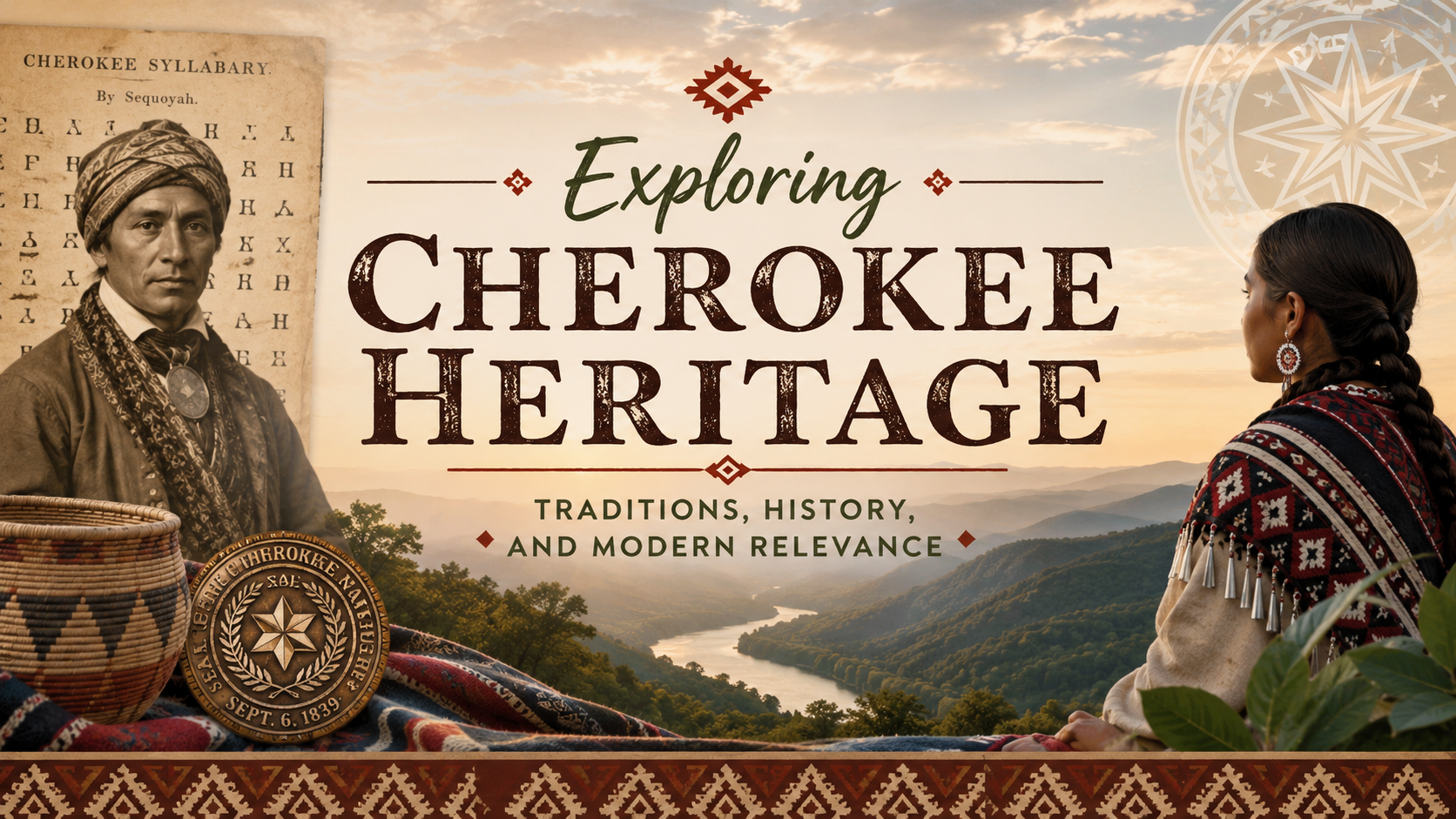
Understanding Cherokee Heritage: A Journey Through History
Cherokee heritage is rooted in a long and rich history, with a culture central to the identity and experience of the Cherokee people. For thousands of years, they have contributed to the tapestry of North American history, balancing tradition with adaptation amid many changes. This article highlights the essentials of their story, explores the roots of their cultural strengths, and discusses how their heritage remains relevant and inspiring in the modern world.
Whether you're new to Cherokee history or seeking deeper understanding, you'll discover stories of resilience, unique traditions, and the continued vitality of a people who have shaped, and continue to influence, the cultural landscape.
Key Takeaways
- The Cherokee have a deep, ancient history marked by peaceful communities and also the trauma of displacement.
- Main aspects of their culture include spiritual beliefs, self-government, and the Cherokee language and writing system.
- Arts, crafts, music, dance, and storytelling are central to Cherokee culture and expression.
- Today, Cherokee people work to preserve their language, celebrate culture, and maintain sovereignty.
- The Cherokee experience shows the importance of cultural survival and resilience, offering relevant lessons today.
Understanding Cherokee Heritage: A Historical Overview
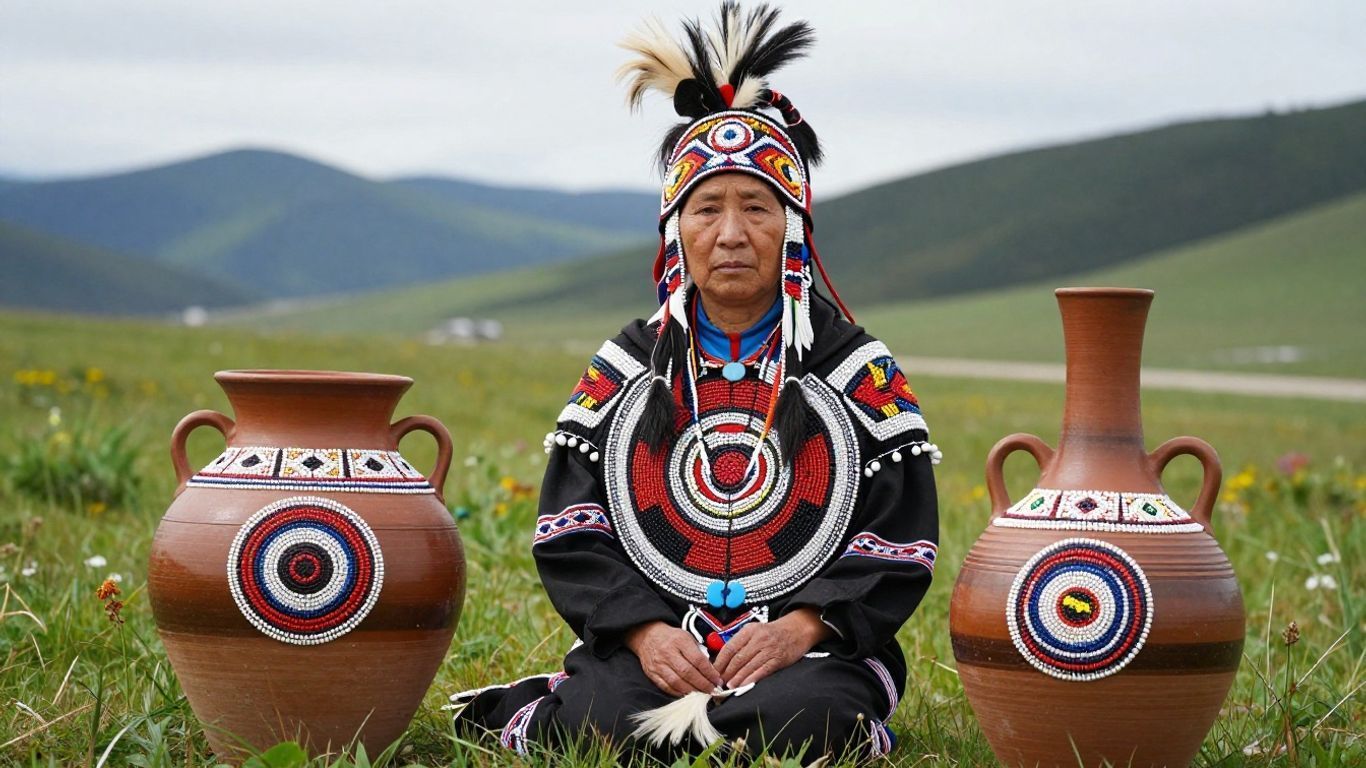
Ancient Roots and the Cherokee Home Lands
For centuries, the Cherokee lived in the southeastern forests, developing farming communities and strong ties to their land. They built villages along rivers, which supported their agriculture and society. Their social systems and spiritual practices shaped their lasting traditions.
The Impact of European Colonization
European arrival changed Cherokee life dramatically. Early trade turned into conflict and loss of land. While adapting some European tools and farming, the Cherokee also faced pressure to give up their ways. They resisted efforts to erase their identity.
Forced Removal and Resilience
The Trail of Tears in the 1830s forced the Cherokee west, causing suffering and loss. Despite this, they rebuilt communities and maintained their culture in Oklahoma. Their persistence is a hallmark of their heritage. Read more about their story at Cherokee Nation.
Core Elements of Cherokee Heritage
Spiritual Beliefs and Practices
Cherokee spirituality teaches that all life is connected. These beliefs shape ceremonies and gatherings. Visitors can experience these customs and the community’s hospitality.
- Ceremonies promote harmony and balance.
- Rituals include water blessings, dances, and harvest feasts.
- Respect for the spirit world guides many traditions.
Visitors may join some spiritual events and learn about Cherokee values. Cultural retreats and tours can be meaningful ways to connect.
Cherokee events often welcome respectful outsiders. They offer unique insight into living traditions.
Traditional Cherokee Governance
Cherokee governance prioritized consensus and community welfare. Before U.S. law, councils and clans guided decisions and order. The Seven Clans structured leadership and problem-solving.
Overview of the system:
| Council Level | Role in Decision-Making |
|---|---|
| Village Council | Oversees daily issues |
| Clan Representatives | Advocate for families |
| Principal Chiefs | Lead communities in major matters |
Many council houses still hold community events and interest visitors. Organized tours often highlight governance and social structure.
The Cherokee Syllabary and Language
Sequoyah’s syllabary enabled a unique written language. Reviving Cherokee language is a priority, central to identity and community.
Highlights:
- Tour sites use Cherokee syllabary signage.
- Some businesses offer opportunities to learn the language.
- Language classes draw tourists and support cultural preservation.
Language preservation supports the local economy through grants, tourism, and cultural events. Rentals and businesses with Cherokee themes benefit during festivals.
These heritage elements foster community and create opportunities for visitors, building unique experiences rooted in authentic Cherokee tradition.
Cherokee Cultural Traditions
Cherokee culture endures through art, celebration, and community, drawing visitors and providing tourism opportunities.
Artistry in Cherokee Crafts
Cherokee artisans create baskets, pottery, beadwork, and carvings that blend function and beauty. These crafts are passed down over generations and are popular among collectors.
- Handwoven rivercane baskets
- Red clay pottery from traditional techniques
- Beaded belts and moccasins by tribal artists
Interest in genuine Cherokee crafts grows, benefitting small businesses and providing unique items for visitors.
The Significance of Storytelling
Storytelling preserves Cherokee knowledge, values, and survival skills. It’s a highlight of many events and festivals.
- Origin stories and animal tales
- Lessons in folktales
- Modern stories blend tradition with today
Storytelling draws families and groups, supports cultural tourism, and enhances visitor experience.
Cherokee Music and Dance
Music and dance are key to the Cherokee experience, marking ceremonies and social events. Live performances also boost off-season tourism.
| Event Type | Visitor Draw (%) | Typical Revenue Impact |
|---|---|---|
| Social Dances | 35 | High |
| Music Showcases | 25 | Moderate |
| Festival Events | 40 | Very High |
Flutes, drums, and group dances are still performed at festivals and events, supporting cultural and economic growth. Read more at cultural preservation festivals.
Cherokee traditions shape community and visitor experiences. Investing in them leads to genuine hospitality and cultural strength.
Cherokee Heritage in Modern Times
Preserving the Cherokee Language Today
The Cherokee language faces challenges but is being actively revitalized. Language programs help keep culture alive and connect people with tradition. Technology, like apps and online classes, is central to this effort.
Contemporary Cherokee Arts and Culture
Modern Cherokee artists blend tradition with new ideas. Their work draws interest for its creativity and authenticity, helping to grow cultural tourism and markets for unique art.
Cultural organizations throughout the Carolina mountain region work with artists, educators, and community leaders to celebrate living traditions while creating new opportunities for cultural exchange.
Tribal Sovereignty and Self-Determination
Sovereignty and self-determination are key to Cherokee identity and progress. The Cherokee Nation manages its resources and future through its own laws and businesses. Understanding Cherokee governance shows their continued strength.
The Enduring Relevance of Cherokee Heritage
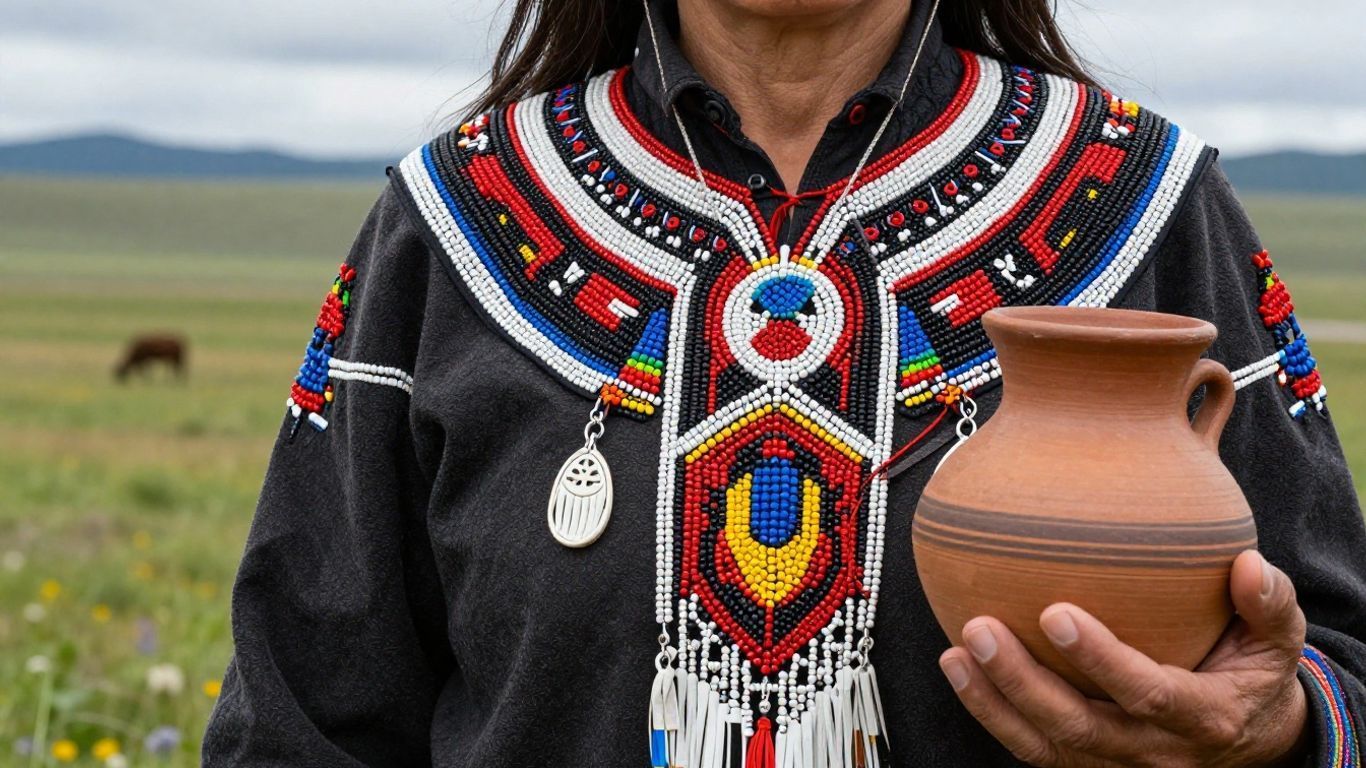
Cherokee heritage influences society by inspiring adaptability and creativity. It offers depth for both visitors seeking meaningful experiences and investors pursuing cultural value.
Lessons from Cherokee History
Cherokee history highlights community leadership and resilience. These lessons guide people and organizations facing change or seeking to keep their values.
- Adapting to hardship
- Inclusive, shared decision-making
- Lifelong education
These skills have kept Cherokee communities strong under pressure. For businesses, the same traits encourage solid teamwork and stability.
Learning from Cherokee history means seeing hardship as a path to new opportunities, both culturally and economically.
Cherokee Contributions to Society
The Cherokee people have enhanced arts, government, and education. Their contributions continue to benefit communities and make destinations unique. Key areas include:
- The Cherokee Syllabary and writing
- Skills in traditional agriculture and plant knowledge
- Achievements across government, music, and art
This ongoing impact is visible in the influence of the Five Civilized Tribes. For tourism, this means visitors engage with vibrant, living culture.
Connecting with Cherokee Heritage
You can experience Cherokee heritage through cultural events, historic sites, and learning programs—great for meaningful travel and sustained tourism. Visitors can explore museums, cultural sites, and a dedicated research center that maintains a valuable collection of historical documents, photographs, and educational materials. These heritage resources support learning and help preserve the story of the Cherokee for future generations.
Ways to connect:
- Attend festivals and storytelling gatherings
- Explore hands-on exhibits
- Join language workshops and nature walks focused on traditional knowledge
Supporting these activities strengthens tourism and protects culture. Cherokee heritage offers depth, opportunity, and insight for all who engage with it.
Learning about Cherokee symbols and worldviews can provide new perspectives on today's challenges. See Cherokee cultural symbols and meaning for more.
Conclusion
Cherokee heritage remains vibrant and evolving. Through challenges and achievements, the Cherokee have demonstrated resilience, adaptation, and cultural pride. Learning their story offers lessons in identity, strength, and the power of community. For those interested in experiencing this rich heritage firsthand, consider visiting the beautiful Hayesville, NC area.
You can find comfortable accommodations at the Deerfield Inn – Lakeside Hotel in Hayesville, NC, and explore numerous things to do in Hayesville, NC that highlight the local Cherokee culture and history.
Frequently Asked Questions
What is Cherokee heritage?
Cherokee heritage is the history, traditions, and ways of life of the Cherokee people. It includes language, art, and community organization—connecting past and present.
When did the Cherokee people first live in their lands?
The Cherokee have lived in the southeastern U.S.—like North Carolina, Tennessee, and Georgia—for hundreds or thousands of years before European arrival.
What was the Trail of Tears?
The Trail of Tears was the forced removal of the Cherokee in the 1830s to land west of the Mississippi. Many died along the way. It is a pivotal part of their history.
Is the Cherokee language still spoken?
Yes, but it is endangered. Many are working to revive it by teaching younger generations through schools and cultural programs.
What are some Cherokee traditions today?
Current traditions include powwows, crafts, and storytelling, as well as community events and language learning.
How are the Cherokee people important now?
The Cherokee are a sovereign nation with their own government. Their culture, leadership, and creativity enrich society and inspire through resilience.